When it comes to the world of motors, the conversation often steers towards the choice between gear motors and regular motors. As a seasoned supplier in the gear motor industry, I’ve seen firsthand how these two types of motors serve different roles across various applications. Understanding their differences is crucial for professionals and enthusiasts alike who are looking to make an informed decision when purchasing motors for their projects. Gear Motor
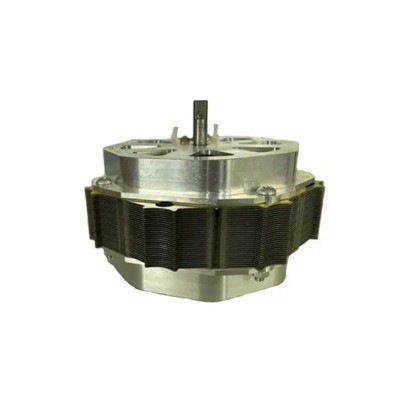
What is a Regular Motor?
Let’s start with regular motors. These are the powerhouses that convert electrical energy into mechanical energy through the principle of electromagnetic induction. The most common types include DC motors, AC motors, and brushless motors, each with its unique construction and operational characteristics.
DC motors are popular for their simplicity and controllability. They operate on direct current, which makes them ideal for applications where variable speed control is required. For example, in battery – powered toys, DC motors provide the necessary torque to move the small wheels and mechanisms.
AC motors, on the other hand, are more prevalent in industrial settings. They run on alternating current and are known for their reliability and high – power output. Fans, pumps, and conveyor belts often utilize AC motors due to their ability to maintain consistent performance over long periods.
Brushless motors have gained traction in recent years due to their efficiency and durability. Without the brushes that traditional motors use, they experience less friction and wear, resulting in a longer lifespan. This type is commonly found in drones and high – end consumer electronics.
One of the key features of regular motors is their high – speed operation. They can quickly spin the shaft at high revolutions per minute (RPM) without much additional equipment. However, this high – speed operation usually comes with a relatively low torque output. Torque is the rotational force that enables a motor to do work, such as turning a wheel or lifting a load. So, while regular motors can spin fast, they may struggle when it comes to moving heavy objects.
What is a Gear Motor?
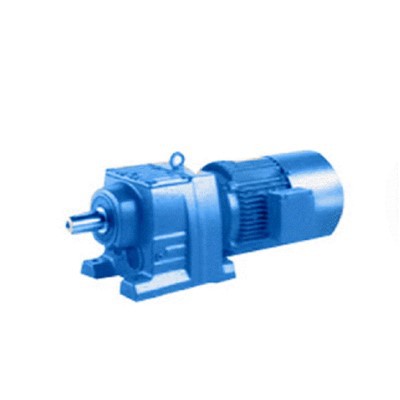
A gear motor, as the name suggests, is a combination of a regular motor and a gearbox. The gearbox is a system of gears that can alter the speed and torque of the motor’s output. The regular motor serves as the power source, while the gearbox modifies the mechanical characteristics according to the application’s requirements.
The gearbox in a gear motor can be made up of different types of gears, such as spur gears, helical gears, worm gears, or planetary gears. Each type has its own advantages in terms of efficiency, noise level, and torque multiplication.
Spur gears are the simplest type and are often used in applications where cost – effectiveness and high – speed reduction are required. They are easy to manufacture and can provide a significant increase in torque.
Helical gears, on the other hand, offer smoother and quieter operation compared to spur gears. They are used in applications where noise reduction is a priority, such as in some home appliances.
Worm gears are known for their high torque multiplication and self – locking feature. This makes them suitable for applications where holding a load in place is necessary, such as in some lifting mechanisms.
Planetary gears are compact and efficient, providing high torque in a relatively small package. They are commonly used in automotive transmissions and robotic joints.
The main advantage of a gear motor is its ability to trade speed for torque. By reducing the output speed, the gearbox can significantly increase the torque available at the output shaft. This means that a gear motor can handle heavier loads compared to a regular motor of the same power rating. For instance, in a conveyor system that needs to move heavy packages, a gear motor can provide the necessary force to keep the conveyor belt running smoothly, even under a full load.
Key Differences
1. Torque and Speed
As mentioned earlier, the most significant difference between a gear motor and a regular motor lies in their torque and speed characteristics. Regular motors are designed for high – speed operation but typically have low torque. Gear motors, on the contrary, can provide high torque by sacrificing some of the speed. This makes gear motors more suitable for applications that require moving heavy objects or performing tasks that demand a lot of force, such as in industrial machinery and automotive applications.
2. Efficiency
The efficiency of a motor is an important factor to consider, especially in applications where energy consumption is a concern. Regular motors generally have higher efficiency at high – speed operation because there are fewer components involved in the energy conversion process. Gear motors, however, may have slightly lower efficiency due to the additional losses in the gearbox. The friction between the gears and the mechanical losses in the bearings can reduce the overall efficiency of the system. But in applications where high torque is required, the trade – off in efficiency is often acceptable.
3. Size and Weight
Regular motors can be relatively compact and lightweight, especially those designed for high – speed, low – torque applications. Gear motors, on the other hand, are bulkier and heavier due to the addition of the gearbox. The size and weight of the gear motor depend on the type of gearbox and the required torque ratio. In applications where space is limited, a regular motor may be a better choice, but for applications that can accommodate the larger size, a gear motor offers the advantage of increased torque.
4. Noise Level
The noise level of a motor can be a crucial factor, especially in applications where a quiet operation is required. Regular motors, especially those with simple designs, tend to operate more quietly. Gear motors, however, can produce more noise, especially if the gears are not properly lubricated or if the gearbox is of low quality. However, advancements in gear design and manufacturing have led to the development of quieter gear motors, making them more suitable for noise – sensitive applications.
5. Cost
In general, regular motors are less expensive than gear motors. The cost of a gear motor is higher due to the additional cost of the gearbox and the more complex manufacturing process. However, the cost of a motor should be evaluated in the context of the overall application. In some cases, the increased performance and reliability provided by a gear motor may justify the higher cost.
Applications
The differences between gear motors and regular motors are reflected in their applications. Regular motors are commonly used in applications that require high – speed operation and low torque, such as ventilating fans, centrifugal pumps, and some small power tools.
Gear motors, due to their high torque output, are widely used in industrial machinery, such as conveyor systems, mixers, and hoists. They are also used in automotive applications, like power windows and windshield wipers. In the home appliance sector, gear motors can be found in washing machines, cutlery dryers, and electric garage doors.
Conclusion and Call to Action
In conclusion, understanding the differences between gear motors and regular motors is essential for choosing the right motor for your application. As a supplier of gear motors, I have a wide range of products that can meet different requirements in terms of torque, speed, efficiency, and size. Our gear motors are designed and manufactured with the latest technology and high – quality materials to ensure reliable performance.
Permanent Magnet DC Moto Whether you are working on an industrial project, an automotive application, or a home appliance design, we can provide you with the right gear motor solution. If you are interested in learning more about our gear motors or discussing a specific application, please feel free to contact us. We are more than happy to help you make the best choice for your needs.
References
- "Electric Motors and Drives" by Austin Hughes and Bill Drury.
- "Mechanical Engineering Design" by Joseph E. Shigley, Charles R. Mischke, and Richard G. Budynas.
Zibo Auric Mechanical and Electrical Technology Co., Ltd.
As one of the leading gear motor manufacturers and suppliers in China, we warmly welcome you to buy advanced gear motor for sale here from our factory. All customized motors are with high quality and competitive price.
Address: B419, High-tech Entrepreneurship Park, High-tech Zone, Zibo City
E-mail: cui@auricmotor.com
WebSite: https://www.auricmotor.com/
