Hey there! As a supplier of industrial connectors, I often get asked, "What is the lifespan of an industrial connector?" Well, let’s dive right in and break it down. Industrial Connector
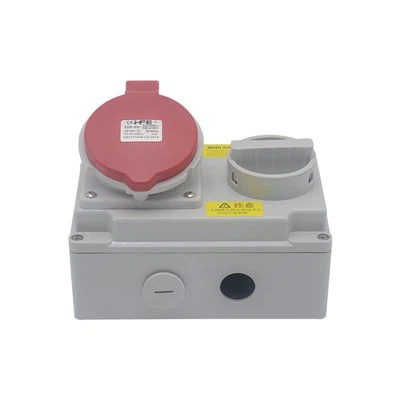
First off, it’s really tough to give a one – size – fits – all answer. The lifespan of an industrial connector can vary a whole lot depending on several factors.
Environmental Conditions
One of the biggest things that affects how long an industrial connector lasts is the environment it’s in. If it’s in a place with a lot of moisture, like near a water treatment plant or an outdoor area with high humidity, corrosion can become a major problem. Metals used in connectors are prone to rust, and that can mess up the electrical conductivity over time. A connector that’s exposed to a damp environment might start showing signs of wear and tear in as little as a few months to a couple of years.
On the other hand, if the connector is in a clean, dry, and temperature – controlled environment, like an office or a well – maintained server room, it can last a really long time. I’ve seen connectors in these types of settings that have been working perfectly fine for over 10 years.
Extreme temperatures are also a big deal. In very hot environments, the materials in the connector can expand, which might cause the parts to loosen up. And in extremely cold conditions, the materials can become brittle and crack. For example, in a steel mill where the heat is intense, connectors might need to be replaced every 2 – 3 years. In a freezer warehouse, the cold can take its toll, reducing their lifespan to around 3 – 5 years.
Frequency of Use
How often a connector is used is another key factor. If it’s a connector in a machine that runs 24/7, like in a manufacturing plant, it’s going to experience more wear and tear compared to a connector in a piece of equipment that’s only used occasionally.
Every time you plug and unplug a connector, there’s a bit of friction between the pins and sockets. Over time, this friction can cause the metal to wear down. In a high – usage scenario, you might start noticing problems with signal transmission or power connection after 1 – 3 years. But for connectors that are rarely used, say in a backup power system that’s only activated during emergencies, they can last for decades without any major issues.
Quality of the Connector
This is a no – brainer. If you buy a high – quality industrial connector from a reputable supplier (hint: like us!), it’s going to last longer. We use top – notch materials and follow strict manufacturing processes to ensure the connectors we make are durable.
High – quality connectors are made with better metals that are more resistant to corrosion and wear. They also have better insulation materials, which can prevent electrical shorts and other problems. A well – made connector can easily last 5 – 10 years or even more in normal conditions, while a cheap, low – quality one might fail within a year.
Maintenance
Proper maintenance can significantly extend the lifespan of an industrial connector. This includes regular cleaning, inspection, and tightening of connections. Dirt and debris can accumulate on the connectors over time, which can affect their performance. By cleaning them regularly with the right tools and solvents, you can keep them in good shape.
Inspection is also crucial. Checking for any signs of damage, loose parts, or corrosion can help you catch problems early and replace the connector before it fails completely. And tightening the connections can prevent them from coming loose due to vibrations, which is a common issue in industrial settings. With proper maintenance, you can add a few extra years to the lifespan of a connector.
Types of Industrial Connectors and Their Lifespans
Let’s talk about different types of industrial connectors and their typical lifespans.
Circular Connectors
These are widely used in industrial applications because they’re really versatile. They can handle different types of signals, from power to data. In a normal industrial environment with average usage and maintenance, circular connectors can last around 5 – 8 years. But if they’re in a harsh environment or used very frequently, that lifespan can be cut down to 2 – 4 years.
Rectangular Connectors
Often used in applications where there’s a need for a large number of connections, like in computer servers or industrial control panels. Their lifespan can range from 3 – 7 years, depending on the factors we’ve already discussed. In a high – traffic data center, they might need to be replaced more frequently, maybe every 3 – 5 years. But in a less demanding environment, they could last up to 7 years.
Terminal Blocks
These are used for making electrical connections between wires. They’re relatively simple in design but still play a crucial role. In a well – maintained environment, terminal blocks can last 10 – 15 years. However, if they’re exposed to vibrations or extreme temperatures, their lifespan can be reduced to 5 – 8 years.
Real – World Examples
I remember a customer who had a factory that made automotive parts. They were using our circular connectors in some of their machines. At first, they didn’t pay much attention to maintenance. After about 2 years, they started noticing some intermittent power problems. When we went in to check, we found that the connectors were dirty and some of the pins were starting to corrode due to the oily environment in the factory.
We recommended a proper cleaning and maintenance schedule, and also replaced the most damaged connectors. After that, they were able to use the remaining connectors for another 5 years without any major issues.
Another example is a data center that used our rectangular connectors. They had a very strict maintenance schedule, and the environment was well – controlled. The connectors they installed 10 years ago are still working perfectly fine, which just goes to show that with the right conditions and care, industrial connectors can have a long lifespan.
How to Maximize the Lifespan of Industrial Connectors
If you want your industrial connectors to last as long as possible, here are some tips:
- Choose the right connector for the job. Make sure it’s designed to handle the type of signals, power, and environmental conditions it will be exposed to.
- Invest in high – quality connectors. It might cost a bit more upfront, but it will save you money in the long run by reducing the frequency of replacements.
- Follow a regular maintenance schedule. Clean the connectors, check for damage, and tighten the connections as needed.
- Monitor the environment. If possible, control the temperature, humidity, and other factors that can affect the connectors.

So, as you can see, the lifespan of an industrial connector can vary widely, from a couple of years to over a decade. It all depends on the environment, how often it’s used, the quality of the connector, and how well it’s maintained.
Industrial Plug and Socket If you’re in the market for industrial connectors, or if you have any questions about how to make your existing connectors last longer, don’t hesitate to reach out. We’re here to help you make the best choices for your industrial needs. Whether you need advice on selection, installation, or maintenance, our team of experts is ready to assist. Just let us know what you’re looking for, and we’ll work with you to find the perfect solution.
References
- "Industrial Connector Handbook", 2023 Edition
- "Environmental Effects on Electrical Components", published by a leading industry research institute
- In – house testing reports on industrial connector durability conducted by our R & D team.
Zhejiang Hefeng Electric Co., Ltd.
Zhejiang Hefeng Electric Co., Ltd. is one of the most professional industrial connector manufacturers and suppliers in China, featured by quality products and low price. Please rest assured to buy durable industrial connector made in China here from our factory. Also, OEM service is available.
Address: Wenzhou Daqiao Industrail Park, Beibaixiang Town, Yueqing City, Zhejiang Province, China
E-mail: hefengplug@chinahfe.com
WebSite: https://www.hfcee.com/
