Hey there! I’m an active pharmaceutical ingredients (APIs) supplier, and today I wanna chat about something super important: the effects of APIs on the kidneys. You see, the kidneys are like the body’s filtration system. They clean our blood, get rid of waste, and help keep the right balance of fluids and electrolytes. So, understanding how APIs can impact them is crucial. Active Pharmaceutical Ingredients

Let’s start with the good stuff. Many APIs are designed to treat conditions that can actually help the kidneys in the long run. For example, there are APIs used in medications for high blood pressure. When your blood pressure is too high, it puts extra strain on your kidneys. Over time, this can damage the tiny blood vessels in the kidneys and lead to kidney disease. But drugs made with the right APIs can help lower blood pressure, reducing that stress on the kidneys. My company supplies some of these amazing blood – pressure – regulating APIs. Our products are carefully formulated to ensure maximum effectiveness and safety.
Another great example is APIs used in diabetes medications. Diabetes is one of the leading causes of kidney failure. High blood sugar levels can damage the kidneys over time. Medications containing quality APIs can help control blood sugar, which in turn can slow down or prevent kidney damage in diabetic patients.
However, it’s not all sunshine and rainbows. Some APIs can have negative effects on the kidneys. Certain antibiotics, for instance, can be nephrotoxic. That means they can cause damage to the kidneys. How does this happen? Well, when we take these antibiotics, the kidneys are responsible for filtering them out of the blood. Some of the chemical components in these APIs can be irritating or harmful to the delicate kidney cells. This can lead to things like acute kidney injury, where the kidneys suddenly stop working properly.
Non – steroidal anti – inflammatory drugs (NSAIDs) are another group of medications with kidney – related risks. These are the kinds of drugs people take for pain and inflammation, like ibuprofen. When used in the short – term and at normal doses, they’re usually okay. But if someone takes them for a long time or in high doses, the APIs in NSAIDs can reduce blood flow to the kidneys. This is because they affect the hormones that control blood vessel constriction in the kidneys. Reduced blood flow means less oxygen and nutrients for the kidney cells, which can cause damage over time.
As an APIs supplier, I take this responsibility very seriously. We have a strict quality control system in place. Before our products are sent out, we test them thoroughly to make sure they meet the highest safety standards. We work with top – notch laboratories to analyze the chemical composition of our APIs and check for any potential kidney – damaging properties.
We also keep up with the latest research in the field. New studies are constantly coming out about the effects of different APIs on the kidneys. By staying informed, we can make sure that our customers get the best and safest products. For example, if a new study shows that a certain way of synthesizing an API reduces its nephrotoxicity, we’ll adjust our production process right away.
Now, let’s talk about how we can minimize the negative effects of APIs on the kidneys. First of all, doctors play a huge role. They need to carefully assess a patient’s kidney function before prescribing medications containing APIs. If a patient already has some kidney problems, the doctor may need to adjust the dose or choose a different API – based drug.
Patients also have a responsibility. They should always follow their doctor’s instructions when taking medications. They shouldn’t take more than the recommended dose, and they should let their doctor know if they have any other health conditions, especially kidney problems.
As an APIs supplier, we can contribute by providing detailed information about our products. We include information about the potential effects on the kidneys in the product documentation. This helps doctors make more informed decisions when prescribing medications and patients understand the risks.
In conclusion, APIs can have both positive and negative effects on the kidneys. When used correctly and under the right circumstances, many APIs can help protect and treat kidney – related conditions. But we also need to be aware of the potential risks and take steps to minimize them.
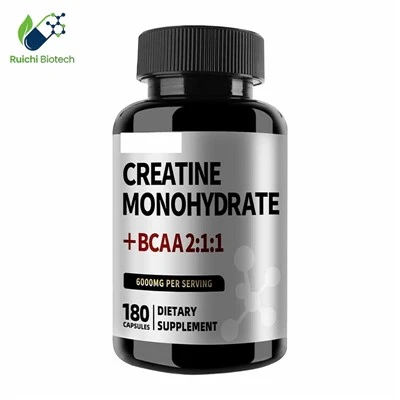
If you’re in the pharmaceutical industry and are looking for high – quality, safe APIs, I’d love to talk to you. Whether you’re developing drugs for kidney protection or other medical conditions, our APIs can be a great fit for your needs. Reach out to me for a discussion on how we can work together to create the best medications.
Daily Chemicals References
- Braunwald, E., Fauci, A. S., Kasper, D. L., Hauser, S. L., Longo, D. L., & Jameson, J. L. (Eds.). (2015). Harrison’s Principles of Internal Medicine. McGraw – Hill Education.
- Brenner, B. M., & Rector, F. C. (Eds.). (2011). Brenner and Rector’s The Kidney. Elsevier.
Xi’an Ruichi Biotech Co., Ltd.
As one of the most professional active pharmaceutical ingredients manufacturers and suppliers in China, our products have good reputation in the market. Welcome to buy discount active pharmaceutical ingredients in stock here and get free sample from our factory. For price consultation, contact us.
Address:
E-mail: Jenny@ruichibio.com
WebSite: https://www.ruichi-bio.com/
