Hey there! If you’re into the machining world or just starting to explore the ins and outs of milling machines, you’ve probably come across the terms “roughing cuts” and “finishing cuts”. As a long – time milling machine supplier, I’ve seen firsthand how crucial it is for operators to understand the difference between these two types of cuts. So, let’s dive right in and break it down. Milling Machine

What Are Roughing Cuts?
Think of roughing cuts as the heavy – lifters in the milling process. Their main job is to remove a large amount of material quickly. When you’ve got a big block of metal, wood, or whatever material you’re working with, and you need to get it close to the desired shape in a short time, roughing cuts are what you turn to.
For instance, if you’re making a metal part and the raw material is way larger than the final part, roughing cuts will do the initial work of carving out the excess. They’re not worried about making everything super smooth or getting the exact dimensions right off the bat. The focus here is on speed and material removal.
The tools used for roughing cuts are usually designed with a large number of teeth and a high feed rate. A high number of teeth means more cutting edges are in contact with the material at once, which allows for faster material removal. And a high feed rate means the tool moves through the material quickly, chipping away at it.
However, roughing cuts do have their trade – offs. Because they’re all about speed, the surface finish of the material after a roughing cut is usually pretty rough. There might be visible tool marks, and the dimensions might be a bit off – target. But that’s okay because that’s where finishing cuts come in.
What Are Finishing Cuts?
Once you’ve used roughing cuts to get the material close to the right shape, it’s time for the finishing touches. Finishing cuts are all about precision and getting that smooth, high – quality surface finish.
Let’s go back to our metal part example. After the roughing cuts have removed most of the excess material, the finishing cuts will be used to bring the part to its exact dimensions and give it a shiny, smooth look. These cuts are made with lower feed rates and a smaller depth of cut.
The lower feed rate allows the cutting tool to make more precise movements, and the smaller depth of cut means that only a thin layer of material is removed at a time. This results in a much smoother surface finish and more accurate dimensions. Tools used for finishing cuts often have fewer teeth but are designed to make cleaner, more precise cuts.
Key Differences
1. Material Removal Rate
The most obvious difference between roughing and finishing cuts is the material removal rate. Roughing cuts are all about removing as much material as possible in as little time as possible. They’re like a demolition crew tearing down a building. On the other hand, finishing cuts remove only a small amount of material, more like a carpenter sanding and polishing the final product.
2. Surface Finish
As mentioned earlier, roughing cuts leave a rough surface with visible tool marks. The goal here is just to shape the material. In contrast, finishing cuts aim for a smooth, high – quality surface. This is crucial for parts that need to fit together precisely or have an aesthetic appeal.
3. Precision
When it comes to precision, finishing cuts take the cake. Roughing cuts are meant to get you in the ballpark, but finishing cuts bring you right to the bullseye. They ensure that the part meets the exact design specifications.
4. Cutting Tools
The cutting tools used for these two types of cuts are also different. Roughing cut tools are often designed with more teeth and a geometry that allows for high – speed material removal. Finishing cut tools, however, are made for precision and usually have fewer, more precisely – shaped teeth.
Why It Matters
Understanding the difference between roughing and finishing cuts is essential for anyone using a milling machine. If you try to use roughing cuts throughout the entire process, you’ll end up with a part that looks rough and doesn’t meet the required dimensions. On the other hand, if you start with finishing cuts right away, you’ll waste a ton of time removing large amounts of material slowly.
For manufacturers, getting this right can lead to significant cost savings. Using roughing cuts to quickly remove most of the material reduces machining time, which in turn lowers labor and machine – running costs. Then, using finishing cuts to get the final product to the right specs ensures that the quality is high, reducing the chances of parts being rejected.
Our Milling Machines for Both Types of Cuts
As a milling machine supplier, we’ve got a range of machines that are perfect for both roughing and finishing cuts. Our machines are designed to be versatile, allowing operators to switch between high – speed, high – material – removal settings for roughing and precision, low – feed – rate settings for finishing.
We understand that different materials and part specifications require different approaches. That’s why our machines are equipped with features that make it easy to adjust the cutting parameters. For example, our control systems allow you to quickly change the feed rate, spindle speed, and depth of cut, so you can optimize the machining process for either roughing or finishing.
Contact Us for Your Milling Machine Needs
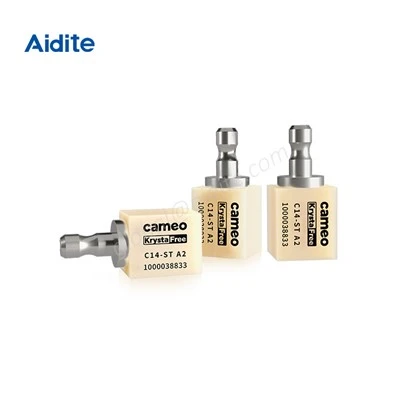
If you’re in the market for a milling machine or just want to learn more about how to optimize your roughing and finishing cut processes, we’re here to help. Whether you’re a small – scale workshop or a large manufacturing plant, our team of experts can assist you in choosing the right machine for your specific requirements.
Glass Ceramic Don’t hesitate to reach out and start a conversation. We’ve got the knowledge and experience to ensure that you get the most out of your milling machine and achieve the best results for your projects.
References
- Machinery’s Handbook, 31st Edition. This comprehensive guide covers all aspects of machining, including detailed information on roughing and finishing cuts.
- Manufacturing Engineering & Technology by Serope Kalpakjian and Steven Schmid. It provides in – depth knowledge about manufacturing processes, with a section dedicated to milling operations.
Aidite (Qinhuangdao) Technology Co., Ltd.
Aidite (Qinhuangdao) Technology Co., Ltd. is one of the most professional milling machine manufacturers and suppliers in China, featured by quality products and good service. Please rest assured to buy bulk milling machine at competitive price from our factory. Also, quotation is available.
Address: No.9 Dushan Road, Economic and Technological Development Zone, Qinhuangdao, Hebei Prov., China
E-mail: global@aidite.com
WebSite: https://www.aiditeglobal.com/
