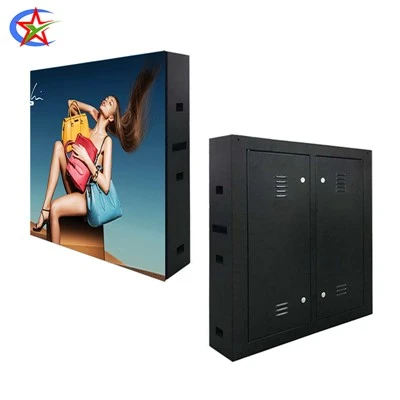
As a supplier of outdoor transparent LED displays, I’ve witnessed firsthand the remarkable growth and innovation in this dynamic field. One critical aspect that often goes unnoticed but is fundamental to the performance and reliability of these displays is electromagnetic compatibility (EMC). In this blog post, I’ll delve into what EMC means for outdoor transparent LED displays, why it’s important, and how we ensure our products meet the highest EMC standards. Outdoor Transparent LED Display
Understanding Electromagnetic Compatibility
Electromagnetic compatibility refers to the ability of an electrical or electronic device to function properly in its intended electromagnetic environment without causing unacceptable interference to other devices. In simpler terms, it’s about ensuring that our outdoor transparent LED displays can operate smoothly without disrupting other electronic equipment in the vicinity and, simultaneously, can withstand electromagnetic disturbances from other sources.
The electromagnetic environment is a complex web of electromagnetic fields and radio – frequency signals generated by a wide range of sources. These include natural sources such as lightning and solar flares, and man – made sources like power lines, radio and TV transmitters, mobile phones, and other electronic devices. Outdoor transparent LED displays are frequently installed in urban areas where the electromagnetic environment is particularly dense, making EMC a crucial consideration.
Why EMC Matters for Outdoor Transparent LED Displays
There are several reasons why EMC is of utmost importance for outdoor transparent LED displays.
1. Reliable Operation
Outdoor transparent LED displays are often used for critical applications such as advertising, public information, and traffic guidance. Any interference caused by electromagnetic disturbances can lead to malfunctions, such as flickering, image distortion, or even complete failure of the display. By ensuring good EMC, we can guarantee that our displays operate reliably around the clock, providing continuous and high – quality information to the public.
2. Regulatory Compliance
Many countries and regions have strict EMC regulations in place to control electromagnetic interference. For example, the European Union has the EMC Directive, which sets limits on the amount of electromagnetic emissions that electronic products can generate and their immunity to electromagnetic interference. In the United States, the Federal Communications Commission (FCC) regulates EMC for electronic devices. Non – compliance with these regulations can result in significant fines and restrictions on the sale and use of the product.
3. Coexistence with Other Equipment
Outdoor transparent LED displays are usually installed in close proximity to other electronic devices, such as streetlights, traffic sensors, and communication systems. If a display generates excessive electromagnetic interference, it can disrupt the normal operation of these nearby devices, leading to a variety of problems. Ensuring EMC allows our displays to coexist harmoniously with other equipment in the same environment.
Challenges in Achieving EMC for Outdoor Transparent LED Displays
Designing outdoor transparent LED displays with good EMC is not without its challenges.
1. High – Frequency Operation
LED displays operate at high frequencies, which can generate significant electromagnetic emissions. The switching of the LEDs and the operation of the driving circuits produce radio – frequency signals that can radiate into the surrounding environment. Managing these emissions while maintaining the high performance of the display is a delicate balancing act.
2. Harsh Outdoor Environment
Outdoor environments present a greater challenge for EMC compared to indoor environments. The displays are exposed to a wider range of temperatures, humidity, and electromagnetic interference from natural sources. They also need to be protected against environmental factors that can degrade the EMC performance over time, such as corrosion and moisture ingress.
3. Transparent Design Constraints
The transparent nature of outdoor transparent LED displays adds another layer of complexity. The design of the display needs to balance transparency requirements with EMC shielding. Traditional shielding materials may reduce the transparency of the display, so we need to find innovative solutions to achieve both transparency and good EMC.
Our Approach to Ensuring EMC in Outdoor Transparent LED Displays
At our company, we take a comprehensive approach to ensure the EMC of our outdoor transparent LED displays.
1. EMC – Oriented Design
Our design process starts with EMC in mind. We use advanced simulation software to predict the electromagnetic behavior of the display during the design phase. This allows us to identify potential sources of interference early on and implement appropriate design measures to reduce emissions and improve immunity. For example, we carefully layout the circuit boards to minimize loop areas, which can act as antennas for radiating electromagnetic energy.
2. High – Quality Components
We source only the highest – quality components for our displays. The choice of components has a significant impact on EMC. Low – quality components may generate more interference or be more susceptible to electromagnetic disturbances. We work closely with our component suppliers to ensure that the components meet strict EMC requirements.
3. Specialized Shielding Techniques
To address the challenges associated with the transparent design, we have developed specialized shielding techniques. We use transparent conductive films that can provide a certain degree of electromagnetic shielding while maintaining high transparency. These films are carefully integrated into the display structure to minimize electromagnetic emissions without sacrificing the visual appeal of the display.
4. Rigorous Testing
Before our products are released to the market, they undergo rigorous EMC testing in accredited laboratories. We test our displays for both radiated emissions and conducted emissions, as well as their immunity to electrostatic discharge, radio – frequency electromagnetic fields, and electrical fast transients. Only when the displays meet or exceed the relevant EMC standards are they approved for production.
Real – World Benefits of Our EMC – Compliant Displays
Our commitment to EMC has translated into real – world benefits for our customers.
1. Long – Term Reliability
Customers who choose our outdoor transparent LED displays can have peace of mind knowing that their displays will operate reliably for years to come. The reduced risk of malfunctions due to electromagnetic interference means less downtime and lower maintenance costs.
2. Regulatory Assurance
Our products are fully compliant with international EMC regulations, which means that our customers don’t have to worry about any legal issues when installing and using our displays. This is especially important for businesses operating in multiple countries or regions.
3. Better Coexistence
Our displays can coexist harmoniously with other electronic devices in the same environment. This is particularly beneficial in urban settings where there are many different types of electronic equipment in close proximity.
Conclusion
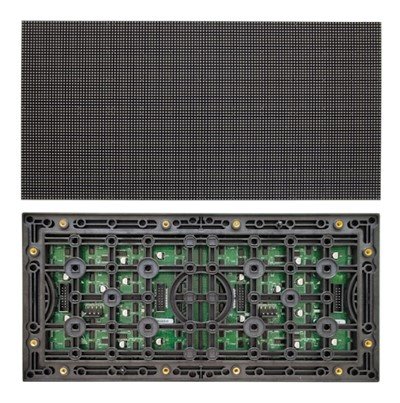
Electromagnetic compatibility is a critical aspect of outdoor transparent LED displays. As a supplier, we understand the importance of ensuring that our products can operate efficiently in complex electromagnetic environments without causing interference. Through our EMC – oriented design, use of high – quality components, specialized shielding techniques, and rigorous testing, we are able to provide our customers with reliable, compliant, and high – performance outdoor transparent LED displays.
Indoor Rental LED Display If you are in the market for outdoor transparent LED displays and are looking for a supplier that prioritizes electromagnetic compatibility, we would be delighted to discuss your requirements. Contact us to start a conversation about how our products can meet your needs and enhance your projects.
References
- IEEE Standard for Electromagnetic Compatibility
- EMC Directive 2014/30/EU of the European Parliament and of the Council
- Federal Communications Commission (FCC) regulations on electromagnetic interference
Shenzhen Starcolor Optoelectronics Co., Ltd.
As one of the most professional outdoor transparent led display manufacturers and suppliers in China, we’re featured by quality products and good price. Please rest assured to wholesale discount outdoor transparent led display in stock here from our factory. Customized orders are welcome.
Address: 2nd floor, Building A, Hongjingda Industrial Park, Shiyan town, Bao’an District, Shenzhen
E-mail: starcolorled@outlook.com
WebSite: https://www.starcolordisplay.com/
