If you’ve ever run a small, fabric supply business—one that’s built on answering the messy, practical questions fellow makers and designers actually ask—you know how often the weird, underrated materials are the ones that spark the best conversations. Last week, a custom hat maker slid into my DMs, the kind of question that’s been popping up in my inbox for months now: “Can cavalry twill actually be used for hats?” Cavalry Twill
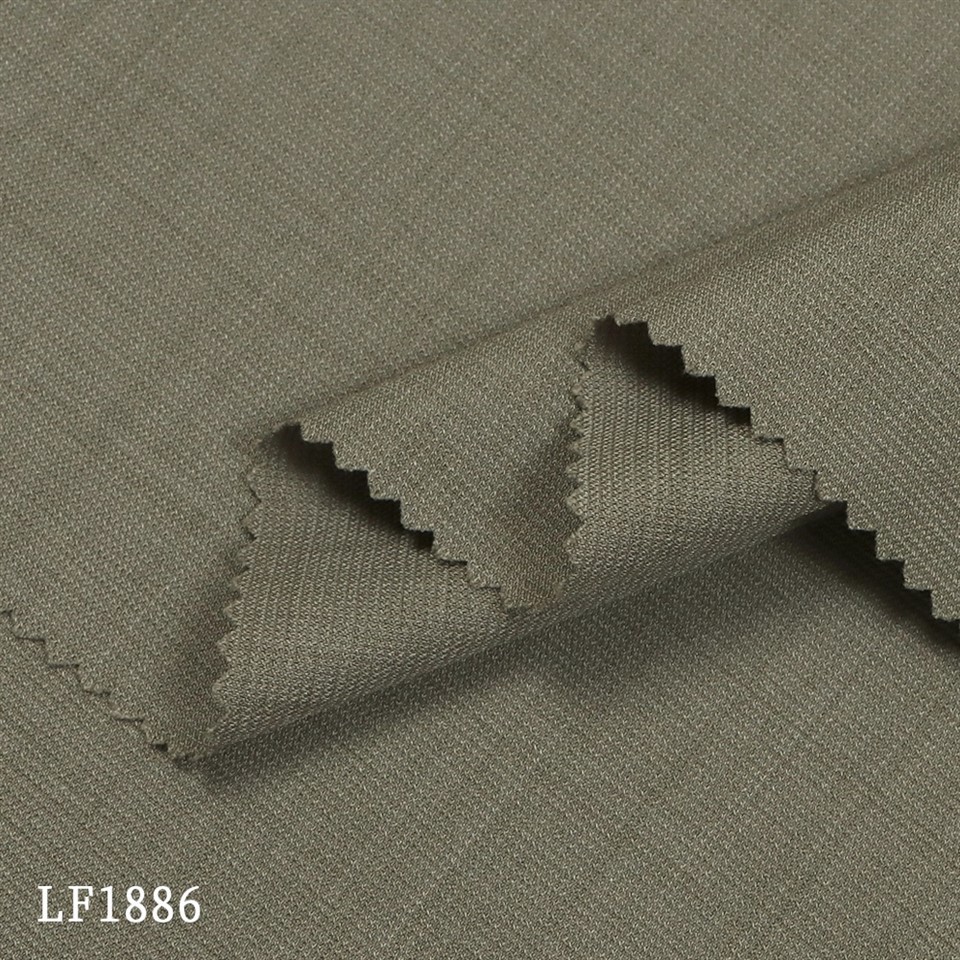
At first glance, it’s a fair head-scratcher. Most people associate cavalry twill with chinos, heavy work shirts, or sturdy trousers—the stuff that doesn’t fray after a few tough days on a worksite, or survives a day of horseback riding without stretching out of shape. Hats, though? They feel like a totally different category: soft, structured, often breathable, sometimes lightweight enough to cram into a jacket pocket. Why would a rugged, woven military-derived fabric fit there?
As someone who’s sourced, tested, and shipped cavalry twill (that’s our core line, by the way, we work with hat makers from small indie studios to large headwear brands), I can tell you the answer isn’t a simple yes or no. It’s layered, rooted in the fabric’s unique properties, tied to how hats are made, and shaped by what a maker is actually trying to build. Let’s break this down, no jargon, just real-world answers from someone who’s gotten to know this fabric inside and out.
First, let’s start with what cavalry twill actually is, because that’s key to understanding its hat potential. The name comes from its 19th-century roots: it was originally woven for European cavalry regiments, designed to be durable enough to rub against a horse’s saddle and stirrups, but flexible enough to move with a rider. Technically, it’s a twill-weave fabric, made with a diagonal thread pattern, but unlike standard twill (which often uses lighter cotton or a cotton-poly blend), true cavalry twill is a heavy, tightly woven 100% cotton (sometimes cotton-linen blend, for extra breathability) with a specific warp and weft count. Most high-quality options clock in at around 8-10 ounces per square yard, which is heavier than the 5-7 ounce cotton used in dress shirts, but lighter than the 12+ ounce canvas used for work bags.
That balance—heavy but not cumbersome—is what makes it versatile, and it’s where the hat connection starts. Let’s talk about hat construction, because hats aren’t just fabric cut out and sewn together. They’re structured, have a crown, a brim (or sometimes a curved brim, or a flat brim), and need to hold their shape without feeling stiff or uncomfortable on your head.
Take structured caps, for example—those classic 5-panel caps, or the vintage-style fedoras that have been trendy lately. Most of those are made with a mix of fabrics: a structured front panel that uses a sturdier material (often a heavy cotton twill, or even a wool felt blend) and side panels that are softer, for comfort. That’s where cavalry twill shines. Its tight weave means it can hold a shape when you line it with interfacing (the thin, stiff material sewn inside hats to keep them from collapsing) but it doesn’t feel like a cardboard box on your head. I’ve seen makers use 100% cavalry twill for the entire front panel of a 5-panel cap, because it stands up to repeated stretching when the cap is sewn, and doesn’t warp after a few washes (another perk of the tight weave—no shrinkage that throws off the fit).
But it’s not just casual caps. A few of my hat maker clients have used cavalry twill for vintage-style fedoras, specifically the unlined crowns. Wait, unlined? That’s a big deal for comfort. Most fedoras have a lining inside to hide the raw edges of the fabric, but if the outer fabric is smooth and soft against the skin (and cavalry twill has that smooth, slightly peached finish on the face side, not the scratchy rough side of a heavy work fabric), you can skip the lining. That makes the hat lighter, more breathable, and more flexible. One maker I work with does limited-edition fedoras for coastal towns, and he swears by cavalry twill for that—because it doesn’t stretch in the humidity, like a lighter cotton would, and it doesn’t get as hot as wool felt, which is the standard for most structured fedoras.
Let’s get into the downsides, too, because no fabric is perfect, and I don’t want to sugarcoat this. If someone is looking for a lightweight, packable sun hat that you can cram into a purse, cavalry twill is not the answer. Its weight makes it too bulky for that. It’s also not as water-resistant as canvas or heavy nylon—if you get caught in a light rain, it might absorb a bit of water (though it dries faster than wool, and if it’s pre-washed, it doesn’t shrink much when it gets wet). And if you’re making a hat that needs to be super soft next to the forehead? The back of the twill (the “wrong” side of the weave) can be slightly rougher, so you’d want to line the band area if that’s a concern.
Wait, let’s back that up with some real testing I’ve done with our supply. Last year, a maker in Portland reached out with a custom order for 50 cotton-cavity twill caps (I know, typo, he meant cavalry twill, and we fixed that for him). He was testing a fabric for a line of work caps for construction workers, and he wanted something that could stand up to dust and minor scrapes, but wouldn’t make his employees’ heads sweat during long shifts outside. We sent him a 9-ounce cotton-linen cavalry twill, pre-washed to eliminate shrinkage, and he tested it for two months. His feedback? The front panel of the cap held its shape perfectly, even after being stuffed into tool bags and dropped on concrete, and the linen blend added enough breathability that his team didn’t complain about overheating, which was a common issue with the heavy wool blends he’d used before. That’s a concrete (pun intended) example of how cavalry twill works for hats, not just in theory, but in real use.
Another example: I’ve seen small batch makers use cavalry twill for newsboy caps, which are a mix of structured and slouchy. The tight weave means you can shape the crown, iron it into the classic rounded shape, and it stays that way for months, unlike slouchy cotton blends that flatten after a week. It also takes dye really well, which is a big plus for hat makers—you can get deep, rich colors that don’t fade after a few washes, which is why you see a lot of vintage cavalry twill goods still holding their color today. Vintage is another big clue here: look at old military hats, work caps, even equestrian riding hats from the 1950s and 60s, and a lot of them use cavalry twill for the outer shell. That’s not a coincidence—those manufacturers knew it worked for the same reasons modern makers do: durability, shape retention, and comfort.
But let’s address the elephant in the room: why isn’t cavalry twill more commonly used for hats? I think it’s because most big hat brands stick to familiar materials—wool felt, cotton twill, polyester blends—that are easy to source and consistent. The indie maker scene, though, which is where most of the innovative hat designs come from, has been leaning into underrated fabrics like cavalry twill for years. They’re the ones testing new blends, new constructions, and finding gaps that standard materials don’t fill. For example, a few makers are using cavalry twill for bucket hats, but the structured version—not the floppy, lightweight kind. It’s a bucket hat that holds its shape, so it doesn’t collapse when you put it on, but it’s still flexible enough to fold down for storage. That’s a middle ground that a lot of people want, especially for outdoor activities, fishing, or hiking, where you need a hat that works hard, not just looks good.
Now, if you’re a maker thinking about trying cavalry twill for hats, here are a few practical tips from our side as a supplier, that we’ve learned from working with hundreds of clients over the years. First, get pre-washed, pre-shrunk cavalry twill. Unwashed cotton can shrink up to 5% when you sew it and wash it, which will throw off the entire hat’s fit. We pre-wash all our cavalry twill in hot water and tumble dry it at low heat to eliminate that shrinkage before it gets to our clients, which is a small step that makes a huge difference for hat construction. Second, consider the blend: 100% cotton is great for structure, but adding a small percentage of linen (10-15%) increases breathability, which is perfect for warm climates. Third, think about the lining: if you’re using the full fabric for the entire hat, line the sweatband area with a thin, soft cotton to avoid irritation, especially for unisex designs that fit a range of head sizes. Fourth, test a swatch first. We always send swatches to makers before they place a bulk order, so they can test how the fabric holds shape, dyes, and sews, which is non-negotiable for custom hat work.
I should also mention that cavalry twill isn’t just for hard-wearing work hats. A friend of mine runs a millinery studio in Brooklyn, and she uses a soft, peached cavalry twill (we stock a light weight option at 7 ounces, for reference) for stylish hats for weddings and formal events. Wait, peached? That’s a process where the fabric is lightly brushed to create a soft, suede-like finish, so it feels almost like wool, but it’s cotton, so it doesn’t itch. She makes small fascinators and dress hats with it, and they get compliments all the time because they’re light, don’t crush, and don’t get as hot as a wool hat would at an outdoor summer wedding. That’s another side of this fabric that a lot of people don’t know about—it’s versatile enough to be rugged or refined, depending on the finish.
Let’s circle back to that original question: can cavalry twill be used for making hats? The short answer is yes, but not for every type of hat. It’s not for lightweight, packable sun hats, it’s not for soft slouchy hats that need to fold completely flat, and it’s not for water-resistant rain hats (though it works great for fair weather). But for structured, durable hats that need to hold their shape, stand up to wear and tear, and balance comfort and strength? It’s one of the best fabrics out there, and that’s why we get so many inquiries from hat makers about it.
As a cavalry twill supplier, we don’t just send fabric rolls—we work with makers to figure out what’s going to work for their specific design, whether that’s a line of construction work caps, vintage-style fedoras, or even stylish millinery pieces. The best part of this business is hearing about the creative ways people use a fabric that’s been around for over a century, repurposing it for new needs, instead of sticking to what’s always been done.

If you’re a hat maker, a designer, or someone looking to work with cavalry twill for a custom project, reach out to us to talk through your needs—we can send swatches, answer questions about weights, blends, and finishes, and help you find the right material for your project. No generic sales pitches, just real answers from someone who’s spent years working with this fabric, and knows it inside and out.
Plain Woven Fabric References
- Howell, J. (2018). Textiles for Apparel: Properties, Performance, and Durability. Fairchild Books.
- Equestrian Historical Society. (2020). Military Textiles of the 19th Century: Cavalry and Uniform Fabrics. Journal of Textile History.
- Miller, S. (2021). Contemporary Hat Making: Materials and Techniques for Custom Headwear. Thames & Hudson.
Shaoxing Huichao Textile Co., Ltd.
As one of the most professional cavalry twill manufacturers and suppliers in China, we offer a wide range of products with superior quality. We warmly welcome you to wholesale bulk cavalry twill in stock here from our factory. If you have any enquiry about cooperation, please feel free to email us.
Address: Shenyue International Build ing, Unit 1603-1605, Keqiao District, Shaoxing City, Zhejiang Province, China
E-mail: darrenzhong@huichaotextile.com
WebSite: https://www.huichaotextile.com/
