If you’ve ever shopped for a portable diesel generator, you’ve probably stumbled across two core designs right at the start: open-frame and enclosed. As a supplier who’s spent years working with these units, I get how overwhelming it can be to parse the jargon, pick what fits your needs, and skip the costly mistake of buying the wrong one. I’ve seen customers show up looking for a unit for a weekend job site only to buy an enclosed one that’s too heavy to haul, and others grab an open-frame for a remote tailgate that’s so loud it gets shut down by security. This isn’t just about specs on a page—it’s about real-world use, so let’s break down the differences that actually matter. Portable Diesel Generator

First, let’s get the basics straight because the names are pretty literal, but that’s where the clarity ends. An open-frame portable diesel generator is, well, a metal frame that wraps around all the core parts: the engine, alternator, fuel tank, and control panel. There’s no outer shell covering any of that—you can see every bolt, pipe, and moving part when you look at it. The enclosed version, on the other hand, is that same core hardware wrapped in a thick, insulated metal or composite casing, with only vents, exhaust outlets, and the control panel peeking out. That outer shell isn’t just for looks; it changes almost every part of how the generator works, from noise level to durability.
Let’s start with noise, because that’s the biggest complaint I hear from customers who switch between the two. Open-frame generators are loud—no two ways about it. My team’s testing shows most 5kW open-frame models clock in at around 70 to 75 decibels at 7 meters, which is roughly as loud as a busy city street or a lawnmower running. If you’re running that at a tailgate, a campsite, or a neighborhood job site after hours, you’re going to get complaints, maybe even a noise violation. Enclosed generators cut that down dramatically because the casing is lined with sound-dampening insulation that absorbs engine and exhaust roar. A comparable 5kW enclosed unit runs at 58 to 65 decibels at that same distance—about as loud as normal conversation or a library whisper. That’s a game-changer for use cases where noise can’t be an afterthought, like residential backup power during a storm, or outdoor events where you don’t want to disrupt guests or neighbors.
Next, portability, which is non-negotiable for a portable generator. The enclosed casing adds weight—usually 20 to 50 pounds more than a same-power open-frame model. A 5kW open-frame might hit 150 pounds, while the enclosed equivalent is 190 to 200 pounds. Even if both have built-in handles or wheels, that extra weight makes a big difference when you’re hauling it up a flight of stairs, loading it into the back of a truck, or moving it across a muddy job site. Open-frame units also tend to be more compact in terms of footprint because they don’t have that extra outer casing, so they fit easier in tight spaces like small pickup beds or under workbenches. That said, enclosed generators have their own portable benefit: the wheels and handles are usually built sturdier, since they’re supporting that extra weight, so they roll more smoothly over rough terrain. It’s a tradeoff between lighter, more compact open-frame and easier-moving, sturdier enclosed—pick what’s more important for your regular route.
Durability and weather resistance are two other big differences, and they’re tied directly to that outer shell. Open-frame generators have exposed parts, so they’re more vulnerable to dust, dirt, rain, and debris. If you’re using one at a construction site, sawdust and concrete dust can clog the engine’s air filter in days, shortening its lifespan if you don’t clean it constantly. Rain can also get into the working parts, leading to rust or electrical issues, unless you add a separate weather cover (and even then, covers can slide off or get damaged). Enclosed generators, though, come sealed up to IP22 or higher ratings, meaning they’re protected against falling water like light rain or splashes, and dust can’t get in as easily. That doesn’t mean they’re waterproof—submerging either in water is a bad idea—but the enclosed design holds up way better to variable weather, especially if you’re using it long-term outdoors. The downside? If something does go wrong with the engine or alternator, you have to take off the outer casing to get to the parts, which adds time to repairs. With an open-frame, you can pop off a few side panels and get to the issue in 5 minutes, no tools needed most of the time. That’s a huge plus for people who do their own maintenance or work in remote areas where a mechanic is an hour away.
Fuel efficiency and performance are less obvious, but they add up over time. Open-frame generators are naturally less aerodynamic, but that’s not the main factor—their engines run at a constant speed when under load, right? Wait, no, actually, many modern units have variable speed governors, but the design still affects cooling. Open-frame generators rely on air flowing directly over their exposed engine to cool it, so if they’re running in a low-air space or covered with debris, they can overheat and use more fuel to compensate. Enclosed generators have a controlled air intake and exhaust system, so they run at a more consistent temperature, which makes their fuel efficiency slightly better—usually 5 to 10 percent over a 10-hour run time, depending on the model. That might not sound like much, but if you’re running a generator 8 hours a day on a job site, that adds up to a half-gallon less fuel per day, which saves you money over a month. The only exception is at full load: open-frame models can actually handle peak power a little better because there’s no casing restricting airflow, so they don’t throttle down as much when you run multiple high-power tools at once.
Cost is probably the first thing anyone looks at, and it lines up with most of these differences. Open-frame portable diesel generators are cheaper upfront—usually 15 to 30 percent less than a comparable enclosed unit. A 5kW open-frame might retail for around $1,200, while the enclosed version is $1,500 to $1,600. For small, occasional use, that savings is hard to pass up. But if you’re going to run it regularly, the enclosed model’s better fuel efficiency and lower noise might make up the difference in a year or two. Also, keep in mind maintenance costs: open-frame units have more exposed parts that can get damaged by debris, so you might need to replace filters or hoses more often, while enclosed units require more specialized maintenance for the sound insulation and sealed parts.
Let’s talk about use cases to make this concrete, because specs don’t mean anything if they don’t fit what you need. When do you pick open-frame? If you’re a contractor doing short, periodic jobs on remote, unregulated sites—like a weekend deck build, a temporary power setup for a neighborhood work project, or a backup for a tool shed where noise doesn’t matter. The light weight and low cost make it easy to load and unload, and since you’re only running it for a few hours at a time, the noise isn’t an issue. Open-frame is also a great pick if you plan to do your own maintenance: working on an open generator is way simpler, and you don’t have to pay extra to have a technician remove a casing every time you need to check the oil or replace a filter.
Enclosed is the way to go if you need reliable, quiet power for longer periods. That includes residential backup during storms, where you don’t want to disturb neighbors or family members. Or event use—festivals, weddings, concert setups, anywhere guests or attendees will be nearby. Commercial use like food trucks or mobile vending: if you’re running a generator at a street fair or a parking lot, the last thing you want is a noise complaint from a nearby business or customer. Enclosed is also better for people who use their generator daily, like small business owners who rely on it for power to their shop or office when grid power goes out, or construction sites that run for weeks at a time. The weather resistance and consistent performance mean less downtime, which is critical for jobs where every hour counts.
I’ve seen customers make mistakes here, and they almost always boil down to misjudging their use case. Last year, a customer bought an open-frame generator for his food truck, thinking it would be fine for a weekend farmers market. By Saturday morning, he was getting so many complaints about the noise that he had to shut it down mid-day, costing him hundreds in lost sales. He ended up trading it in for an enclosed unit a week later. Another customer grabbed an enclosed unit for a single weekend camping trip, and complained about how heavy it was to haul up to his spot and how it was too big to fit in his truck bed. That’s the exact tradeoff I always walk customers through when they reach out to my team.
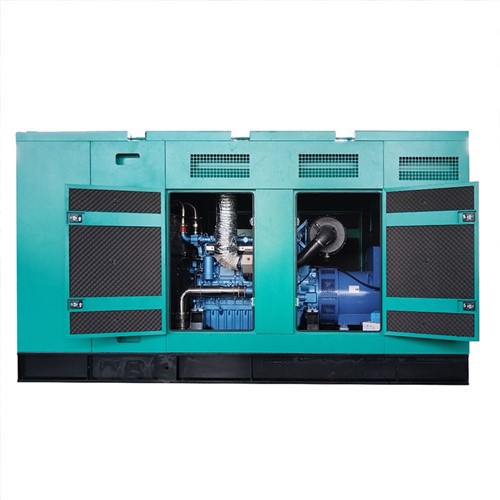
It’s also worth noting that both designs have come a long way in recent years. Modern open-frame units have better sound dampening than they used to, so they’re not as loud as they were 10 years ago, and enclosed models are getting lighter, so portability isn’t as much of a hassle as it used to be. But the core differences remain: open-frame is for light, low-noise-need use where cost and easy maintenance matter most; enclosed is for quiet, reliable, long-term use where weather resistance and minimal disruption are key.
Household Diesel Generator If you’re still not sure which one fits your needs, or you want to compare specific models for your project or business, my team is here to help. We work with contractors, event planners, residential property owners, and small businesses to match them with the right generator design, size, and features for their exact use case. Don’t guess and end up with a unit that doesn’t work for you—reach out to discuss your requirements today.
References
- Portable Power Equipment Association. (2022). Diesel Generator Design and Performance Standards. North American Power Industry Association.
- Energy Star. (2021). Portable Generator Noise and Efficiency Comparison. U.S. Environmental Protection Agency.
- International Organization for Standardization. (2019). ISO 8528: Reciprocating internal combustion engine driven alternating current generating sets. ISO Press.
- Construction Owners Association of America. (2020). Portable Power for Job Sites: Best Practices for Selection and Use. COAA.
- Food Truck Association. (2022). Mobile Power Solutions for Street Vendors: Noise, Portability, and Reliability Guidelines. FTA.
Dianbida Power Equipment (Jiangsu) Co., Ltd.
We’re well-known as one of the leading portable diesel generator manufacturers and suppliers in China. We warmly welcome you to buy advanced portable diesel generator at competitive price from our factory. If you have any enquiry about pricelist and quotation, please feel free to email us.
Address: No. 23, Nanhuan Road, Jiangdu District, Yangzhou City, Jiangsu Province
E-mail: 19962469616@163.com
WebSite: https://www.js-dbdpower.com/
