Hey everyone, it’s Jake here, and I’ve spent the last decade deep in the material testing equipment game—probably way too deep, if you ask my wife, who jokes that I can tell you the tensile strength of a paper clip just by holding it. Lately, one question keeps popping up at every trade show, over every coffee chat with lab managers, and even in random LinkedIn DMs: “Can my material testing gear actually talk to the rest of my lab’s stuff?” For years, I’d shrug and say “sure, if you have a team of coders and a blank check,” but lately? That’s changed hard. Today, I’m breaking down how material testing equipment integration isn’t just a shiny lab buzzword anymore—it’s something every lab is actually doing, and why you don’t need to sell your firstborn to make it work. Material Testing Equipment
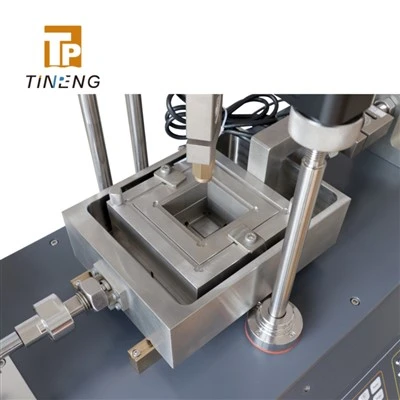
Let’s start with the problem we all know too well. Say you run a lab that tests metal alloys for aerospace parts, or plastics for consumer packaging, or even fabric for outdoor gear. You’ve got your universal testing machine (UTM) that pulls, pushes, and twists samples to death to measure strength, flexibility, and all that good stuff. You’ve got your thermal testing chamber that bakes or freezes materials to see how they hold up in extreme conditions. Maybe you have a hardness tester, a corrosion unit, the works. But what happens right after your UTM finishes a test? A lab tech has to write down the numbers by hand—forgetting a decimal here, mixing up sample IDs there—then type them into a spreadsheet, then pull that data into your LIMS (Laboratory Information Management System) to generate a test report. If your thermal chamber runs a test at the same time, they’re juggling two laptops, two sets of logs, and crossing their fingers that nothing gets lost. I’ve seen labs spend 20+ hours a week just on manual data entry for testing alone—hours that should be spent running more tests, fixing gear, or even just taking a lunch break that doesn’t involve staring at a spreadsheet. That’s the pain point, plain and simple.
Now, the big question: can you actually hook that old UTM up to your LIMS, your ERP system, or even your inventory tracker? The short answer is YES, but not all integrations are created equal. A few years ago, integration meant proprietary software that only worked with one brand of equipment, cost as much as a small used car, and required a dedicated IT guy to debug it every time you added a new sample. But today? We’ve got open protocols, standardized APIs, and hardware that’s built with connectivity from day one. Let’s talk about the actual tools here, because I don’t want to just throw jargon around.
First up: modern material testing equipment. The stuff we’re shipping right now has built-in Ethernet, USB ports, and even Wi-Fi (shocking, I know) that connects to standard data formats like CSV, XML, or JSON. You don’t need a fancy custom driver anymore—most of these machines output their raw data in formats that your average LIMS can read straight up. For example, our own UTMs can push real-time tensile strength, elongation, and load data directly to your LIMS without a single manual step. We tested this last quarter with a medical device lab that was using three different old UTMs from the 2010s, and within a week of upgrading to our new line, their data entry time dropped by 80%. That’s not a sales pitch—that’s real numbers from a lab that was drowning in paperwork.
Then there’s the software side. If your lab already uses LIMS, ERP, or even inventory management tools, most of the big names now have pre-built integration modules for testing gear. I talked to a lab manager for a major automotive parts maker last month who said they integrated their corrosion tester and hardness tester with their ERP in two days, using a free module from both their LIMS provider and their equipment supplier. The key here is to not overcomplicate it—you don’t need a full custom build unless you have some super specific, one-off requirement (and even then, most of the time, a simple API wrapper works).
But wait—what about that 10-year-old UTM that’s still running like a champ, and you don’t want to replace it just to integrate? Great question. Not every lab can drop $50k on new gear, so we’ve built adapter modules for older equipment that let you bridge the gap between old machines and new systems. These little boxes plug into the back of your old tester, read its data output (even if it’s just a serial port), and convert it into a format that your LIMS can understand. We’ve had labs use these adapters on machines from the 90s, and they work like a charm. It’s not as seamless as a new machine, but it’s way cheaper than buying new, and it solves the manual data entry problem.
Now, let’s get to the “so what?” part. Why does this integration matter beyond just less paperwork? Let’s talk about actual benefits that move the needle for lab operations, compliance, and even their bottom line. First, data accuracy. Manual data entry has an error rate of like 1-5%—which might not sound like a big deal until you’re testing parts for aerospace where a wrong number could mean a part fails in flight, or for medical devices where a test report has a typo and leads to a recall. Integrated systems eliminate almost all human error there. We had a food packaging lab that told us they used to catch one wrong number a month from manual entry—after integrating their testing gear, that dropped to zero. That’s not just good for the lab, that’s good for their clients and their reputation.
Second, faster turnaround time for test reports. A lot of labs bill by the test, or have strict deadlines for their clients. If you can go from test completion to a signed report in hours instead of days, you can take on more clients, run more tests, and make more money. That automotive lab I mentioned earlier? They cut their report turnaround time by 70% after integrating, so they could take on 20% more work without adding staff. That’s a huge win.
Third, real-time monitoring. If your testing equipment is connected, you can track tests as they happen, from anywhere. A lab tech can be at home sick and check on a test running in the lab, or a manager can see how many tests are done in a week without walking around the floor. We had a remote testing setup with a lab in Alaska, where access to the lab is limited in winter—they can now run tests remotely, check data in real time, and don’t have to wait for someone to show up to log results. That’s a game-changer for labs in rural areas or with odd schedules.
But before you go running to hook up every piece of gear in your lab, let’s talk about the pitfalls. Integration isn’t always plug-and-play, and there are a few things to watch out for. First, compatibility. Not all software and equipment play nice together. We had a client last year who tried to integrate their testing gear with a custom LIMS they built in-house, and they spent three months debugging because their LIMS was using an old data format. The fix? We worked with their IT team to add a simple converter, but it was a hassle they didn’t need. The takeaway here is: check compatibility before you buy. Ask your equipment supplier if they support standard protocols like OPC UA (that’s the big one for industrial integration, by the way) or if they have pre-built modules for your existing software. Don’t assume it’ll work—ask for proof, even a demo.
Second, security. If your lab is handling sensitive data—like proprietary material formulas, or medical device test data—integrating your systems means that data is moving between machines and software. You need to make sure that data is encrypted, that access is controlled, and that you’re following industry regulations (like HIPAA for medical, or FDA 21 CFR Part 11 for pharmaceuticals). A lot of old testing gear has basic security, so when you integrate it, you might need to add firewalls or access controls. That’s not a reason not to integrate, but it’s something to plan for. We help clients set up secure integration workflows, so they don’t have to deal with compliance headaches.
Third, training. If your lab techs are used to writing down numbers by hand, integrating your systems means they’ll have to learn a new workflow. It’s not hard, but it’s not something you can just set up and forget. We provide on-site training for all our integration setups, and we’ve found that giving techs hands-on practice, not just a 10-minute video, makes all the difference. I can’t tell you how many labs have skipped training and ended up with their integration sitting in a corner unused, because no one knew how to use it.
Now, let’s get specific about how this works in the real world, not just on paper. Let’s take two examples of labs we’ve worked with recently. First, a small material testing lab in Texas that does contract work for construction companies, testing concrete and steel for building projects. They had two UTMs, a few hardness testers, and a LIMS that they used for billing and reports. Before integration, they had three techs spending 40 hours a week on data entry, reports, and follow-ups. We installed our UTMs with integrated data output, added adapters for their older hardness testers, and set up a pre-built integration with their LIMS. Total cost for the setup? Less than $10k, which is way cheaper than adding a part-time data entry clerk. Now, their techs spend that 40 hours on actual testing, they took on three new clients in six months because their turnaround time is faster, and no more typos in reports.
Second example: a big aerospace lab in Washington that tests titanium alloys for jet engines. They had a mix of new and old testing gear, and they needed to integrate everything with their ERP to track test data alongside inventory, supply chain, and quality control. They were worried about downtime, since jet engine parts have strict compliance rules. We worked with their IT team to build a custom integration (using OPC UA, the standard we talked about) that let their old UTMs and new thermal chambers talk to their ERP, with built-in audit trails for compliance. We did the setup over a weekend, with no downtime, and their audit reports—something that used to take two weeks to put together—now take two hours. That’s the power of integration for regulated industries.
So, to circle back to the original question: yes, material testing equipment absolutely can be integrated with other lab systems. It’s not a futuristic dream anymore, it’s something labs of all sizes are doing right now, to save time, reduce errors, speed up reports, and keep their data secure. The days of manual data entry and disjointed systems are over—unless you want them to be, I guess, but why would you?
If you’re a lab manager, a quality lead, or someone who’s tired of drowning in spreadsheets and paperwork, here’s the thing: you don’t have to do this alone. We’ve helped hundreds of labs set up seamless integrations, no matter if you have new gear or old, a small LIMS or a custom-built one. We walk you through checking compatibility, setting up security, training your team, and making sure the integration works for your specific workflow, not a generic setup.
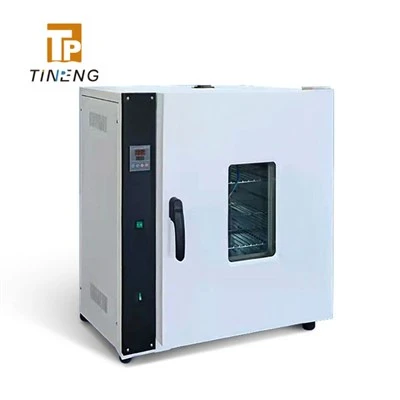
If you’re ready to stop wasting hours on manual data entry and start making your lab more efficient, reach out to us for a no-pressure chat. We’ll go over your current setup, show you how integration would work for you, and answer any questions you have—no sales pitch, just real advice from people who actually work with testing gear every day.
Fresh Concrete Testing Equipment References:
- ASTM International. (2022). Standard Guide for Integration of Material Testing Equipment with Laboratory Information Management Systems. ASTM E2981-22.
- International Organization for Standardization. (2021). Laboratory Informatics – Integration of Testing Equipment and Data Management Systems. ISO 22915:2021.
- Society for Laboratory Automation and Screening. (2023). 2023 State of Lab Integration Report: Challenges and Solutions for Material Testing Labs. SLAS Press.
- U.S. Food and Drug Administration. (2022). Guidance for Industry: Computerized Systems Used in Clinical Trials – Updated Integration Requirements. FDA.gov.
Zhuozhou Tianpeng Imp. and Exp. Trade Co., Ltd.
Zhuozhou Tianpeng Imp. and Exp. Trade Co., Ltd. is one of the most professional material testing equipment manufacturers and suppliers in China, featured by quality products and good price. Please rest assured to buy advanced material testing equipment made in China here from our factory. Customized orders are welcome.
Address: Building C28, Hegu Technology Industrial Park, Development Zone, Zhuozhou, Hebei, China
E-mail: zhangdajing@testmould.com
WebSite: https://www.testmould.net/
