If you’ve ever ordered bulk goods from a warehouse, shipped heavy machinery cross-country, or picked up fresh produce from a wholesale market, chances are you’ve interacted with a wooden crate. As someone who’s spent 12 years as a wooden crate supplier, I’ve heard every question under the sun about these workhorses—from “Do they really hold 2,000 pounds?” to “Can I reuse this for my backyard garden?” But hands down, the question I get asked most often, by small business owners and Fortune 500 logistics managers alike, is: “What’s the best finish for wooden crates?” Wooden Crates
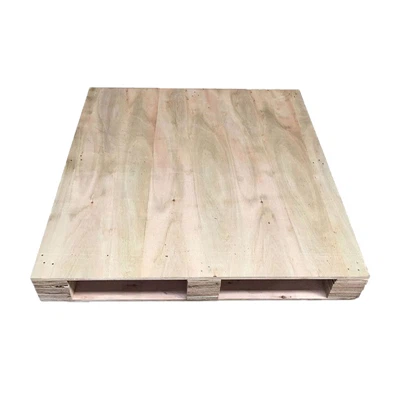
It’s not a one-size-fits-all answer, I’ll be the first to say that. A crate built to ship frozen seafood across the Atlantic has totally different needs than one a craft brewer uses to move cans around a local distribution center. Over the years, I’ve tested dozens of finishes, watched how crates hold up in extreme conditions, and even adjusted our own product lines based on feedback from clients’ on-the-ground use. Let’s break down the science, the tradeoffs, and what works best for the most common jobs our crates do.
First, let’s start with why finishes matter for crates specifically, because this isn’t the same as finishing a dining table or a bookshelf. Crates aren’t meant to sit in your living room; they’re industrial workhorses. Their job is to protect contents from weather, moisture, pests, abrasion, and damage from repeated handling (forklifts, pallet jacks, even being stacked and dragged across concrete). A good finish doesn’t just make a crate look nice—it extends its lifespan, reduces wear, cuts down on repair costs, and even keeps your goods safer during transit. Skip a quality finish, and you might end up with crates that rot, crack, get eaten by termites, or leave your products damaged after just a few trips.
Let’s go through the most popular finishes we use at our shop, the pros and cons of each, and which jobs they’re best for.
- Heat Treatment (HT) – The Base Finish That’s Non-Negotiable for International Shipping
Wait, I know what you’re thinking: “Heat treatment isn’t a finish. It’s a process.” But hear me out. For any crate crossing borders, heat treatment is the foundational finish you can’t skip. The IPPC (International Plant Protection Convention) mandates this for all wood packaging material shipped between countries to prevent the spread of invasive pests like termites and wood borers. Without HT, your crate can get seized at customs, costing you thousands in delays or even lost shipments.
How does it work? We heat the entire wood crate to a core temperature of 56°C for at least 30 minutes, then stamp it with the official IPPC mark. No chemicals involved, which is a huge plus for clients shipping food, pharmaceuticals, or any product that can’t be contaminated by coatings. For us, HT is the baseline for 80% of our international clients, and it works if you pair it well with a top coat for extra protection. The only downside? It doesn’t add moisture resistance or scratch protection on its own, so you’ll need to layer another finish on top if you’re shipping in damp conditions.
- Clear Acrylic Sealer – The Workhorse for General-Purpose Shipping
If your crates are moving domestically, are not exposed to extreme weather, and hold non-perishable goods like hardware, textiles, or automotive parts, clear acrylic sealer is our go-to. It’s water-based, low-VOC (volatile organic compounds, which means fewer fumes for workers handling the crates), and easy to apply. It penetrates the wood pores to create a thin, invisible barrier that repels minor moisture, dust, and small scratches.
What I love about acrylic sealer is that it’s flexible. It doesn’t yellow over time like some old oil-based sealers, so your crates stay looking like new even after a dozen trips. It’s also cheap compared to specialized finishes, which is a big win for small businesses that order crates in bulk. We’ve used it for years for local breweries moving kegs and construction companies shipping small parts, and the feedback is consistent: crates last 2-3 times longer than uncoated ones, and we get almost no complaints about minor water damage during storage. The only catch is that it’s not ideal for long-term exposure to heavy rain or saltwater—so if you’re shipping seafood or construction materials along a coast, you’ll want to step up.
- Oil-Based Polyurethane – Tough for Heavy Use and Domestic Freight
When a client needs crates that can handle forklift traffic, being stacked 10 high, and exposure to sun and rain for months at a time, we reach for oil-based polyurethane. This is a hard, durable coating that forms a thick, protective layer over the wood, resisting abrasion, scuffs, and moderate impact. It’s also far more water-resistant than acrylic sealer—we’ve had clients ship farm equipment parts through rainy Midwest winters, and the crates came out with barely any discoloration or warping.
The tradeoff? It’s not perfect. Oil-based polyurethane is high-VOC, so it has a strong smell that lingers for a few days after application, which is a problem if you’re packing perishable goods immediately after crate assembly. It also yellows over time, so if you’re using crates for aesthetic purposes (like craft shows or pop-up shops), the yellowing can make your wood look dated after a few uses. That said, for industrial use where function comes first, this is one of the best finishes out there. We use it for most of our construction and agriculture clients domestically, and the lifespan of these crates is often 5+ years with proper care.
- Epoxy Coating – Heavy-Duty for Chemicals and High-Moisture Environments
If you’re shipping corrosive chemicals, raw materials, or goods that need protection from extreme moisture (like frozen food or marine parts), epoxy is the finish you need. This is a two-part coating that cures into a hard, non-porous, almost indestructible layer. It resists saltwater, chemicals, mold, and even the impact of heavy loads being dropped on the crate. I’ve seen epoxy-finished crates hold up after being submerged in rain for weeks, and another client used them to ship car batteries across the desert, where temperatures hit 110°F, with zero damage to the batteries or the crates.
But epoxy isn’t for every job. It’s expensive—way more than acrylic or polyurethane—and it’s rigid, so it can crack if the wood expands or contracts significantly (like with extreme temperature swings). It also requires professional application, because it has to be mixed perfectly and applied evenly to avoid bubbling or uneven coverage. For most small businesses, epoxy is overkill, but for industries where the cost of replacing goods due to moisture or chemical damage is in the tens of thousands, it’s worth every penny.
- Borate Treatments – The Hidden Gem for Pest Prevention and Indoor Use
Here’s a finish that a lot of clients don’t ask about, but we swear by: borate treatments. Borate is a natural mineral that’s non-toxic to humans and pets, and it kills termites, carpenter ants, and fungi that cause rot. We apply it to crates that will be stored indoors for long periods, or used for gardening, storage, or any application where pests are a risk. It penetrates deep into the wood, so it doesn’t wash off like a surface coating, and it’s completely clear, so you don’t have to worry about changing the look of the wood.
The downside? Borate doesn’t add much moisture resistance, so it’s only for indoor use. We recommend pairing it with a clear acrylic sealer if you’ll be moving the crate outside occasionally, but if it’s just for storing tools in a garage or garden produce, borate is perfect. I once had a client who used uncoated crates for storage in his rural barn, and within a year, he had termite damage that cost him $2,000 in tools. Switching to borate-treated crates fixed that, and he hasn’t had a pest issue in three years.
Now, I know a lot of you are asking: “What about repurposing crates?” Because so many of our clients buy our crates to turn into coffee tables, raised garden beds, or storage units at home. For that, I always say: skip the heavy-duty industrial finishes. Clear acrylic or a food-safe wood oil (like linseed oil, which is non-toxic) is best. Polyurethane works too, but if you’re going to use the crate with food, make sure it’s food-safe—regular polyurethane can leach chemicals into food. I’ve had customers use our old, lightly used crates with acrylic sealer to build raised garden beds for tomatoes and herbs, and they work perfectly.
Let’s talk about the mistakes I see people make all the time. First, skimping on finish to save money. I’ve had clients who ordered uncoated crates to cut costs by 10% only to replace them twice a year, which ends up costing them way more in the long run. Finishes add 15-25% to the crate price, but they extend the lifespan by 200-300%—that’s a no-brainer. Second, using the wrong finish for the job. A lot of small business owners will ask for polyurethane for crates that need to go overseas, and I have to explain that polyurethane isn’t IPPC-approved—they’ll need heat treatment first, no exceptions. Third, not maintaining the finish. Even the best finish wears down over time. A quick wipe with a damp cloth and a reapplication of acrylic or oil every year will keep your crates looking and working like new.
At our company, we don’t push a one-size-fits-all finish because we know every client’s needs are different. Last year, we had a seafood distributor shipping frozen cod from Alaska to Japan, so we put them through heat treatment, added a layer of marine-grade epoxy, and tested each crate for water resistance before it left our shop. For a local craft brewery that moves cans around town, we used clear acrylic, which was cheap, fast to apply, and kept the crates looking nice for their events. For a family-owned farm that uses crates to store hay in their barn, we used borate treatments to keep pests away without the harsh chemicals.
If you’re reading this and trying to figure out what finish is right for your wooden crates, here’s my quick cheat sheet:
- International shipping: Heat treatment + acrylic or polyurethane top coat
- Domestic general shipping: Clear acrylic sealer
- Heavy industrial shipping or harsh weather: Oil-based polyurethane
- Corrosive materials or marine use: Epoxy coating
- Indoor storage or gardening: Borate treatment or food-safe wood oil

I’ve been in this business long enough to know that a good crate doesn’t just hold your goods—it protects them, saves you money, and makes your job easier. The right finish isn’t an extra cost; it’s an investment in your supply chain, your products, and your bottom line.
Wooden Crates If you’re ready to talk about what finish works best for your specific needs, or you’re just curious about how we can customize crates for your business, feel free to reach out. We work with businesses of all sizes, from local startups to global logistics companies, and we’re happy to answer any questions about crates, finishes, or anything else related to wooden packaging.
References
- International Plant Protection Convention (IPPC). International Standards for Phytosanitary Measures No. 15: Regulation of Wood Packaging Material in International Trade. Food and Agriculture Organization of the United Nations, 2019.
- Wood Finish Association. Industrial Wood Finishes: A Guide for Shipping and Storage Applications. National Association of Wood Finish Manufacturers, 2021.
- University of Georgia Extension. Borate Treatments for Wood Pest Control. College of Agricultural and Environmental Sciences, 2020.
- American Wood Protection Association. Standard for Wood Products and Treated Wood. AWPA Book of Standards, 2022.
Hongyiyuan Packaging Materials (Ningbo) Co., Ltd.
With abundant experience, we are one of the most professional wooden crates manufacturers and suppliers in China. We warmly welcome you to wholesale high quality wooden crates in stock here from our factory. If you have any enquiry about quotation, please feel free to email us.
Address: No. 2, Danshuihong Road, Cidong Industrial Zone, Cixi City, Ningbo, Zhejiang Province.
E-mail: 13812921555@126.com
WebSite: https://www.cnhongyiyuan.com/
