Hey there! As a supplier of Fisher Ball Valves, I often get asked about the sealing mechanism of these valves. It’s a pretty interesting topic, so I thought I’d share some insights with you all. Fisher Ball Valve

First off, let’s understand what a ball valve is. A ball valve is a type of quarter – turn valve that uses a hollow, perforated, and pivoting ball to control flow through it. When the ball’s hole is in line with the flow path, the valve is open, and when it’s rotated 90 degrees, the valve is closed. Fisher Ball Valves are well – known in the industry for their reliability and high – performance, and a big part of that comes down to their sealing mechanism.
Primary Sealing Elements
The main sealing elements in a Fisher Ball Valve are the seats. These seats are usually made of materials like PTFE (Polytetrafluoroethylene), RTFE (Reinforced Polytetrafluoroethylene), or metal, depending on the application.
PTFE seats are super popular because they have excellent chemical resistance and low friction. They can seal well even at low pressures. For example, in a water treatment plant where the pressure isn’t extremely high, PTFE seats work great. They create a tight seal around the ball, preventing any leakage.
RTFE seats are a bit tougher. They’re reinforced, which means they can handle higher pressures and temperatures compared to regular PTFE. In an oil refinery, where the conditions are harsher, RTFE seats are often used. They’re more durable and can withstand the wear and tear that comes with high – pressure and high – temperature operations.
Metal seats are used in applications where extremely high temperatures and pressures are involved. They’re very robust and can handle the most demanding conditions. For instance, in a power generation plant, where steam at high pressures and temperatures is flowing, metal – seated Fisher Ball Valves are the go – to choice.
How the Sealing Works
When the valve is in the closed position, the seats press against the ball. The design of the seats is such that they conform to the shape of the ball, creating a tight seal. The pressure of the fluid in the pipeline actually helps to improve the seal. As the pressure increases, the seats are pushed more firmly against the ball, reducing the chances of leakage.
Let’s say you have a pipeline carrying natural gas. When the valve is closed, the gas pressure inside the pipeline pushes the seats against the ball. This creates a reliable seal that keeps the gas from escaping. And Fisher Ball Valves are designed to maintain this seal even under varying pressure conditions.
Secondary Sealing Features
Apart from the seats, Fisher Ball Valves also have some secondary sealing features. One of these is the stem seal. The stem is what connects the actuator (the part that turns the valve) to the ball. A good stem seal is crucial to prevent any leakage along the stem.
Fisher uses advanced stem sealing technologies. For example, they might use packing materials that are designed to be flexible and durable. These packing materials are compressed around the stem, creating a barrier that stops fluid from leaking out.
Another secondary sealing feature is the body – bonnet seal. The bonnet is the part that covers the top of the valve body. A proper seal between the body and the bonnet is important to prevent any external leakage. Fisher uses gaskets made of high – quality materials to ensure a tight seal at this junction.
Advantages of Fisher’s Sealing Mechanism
One of the biggest advantages of Fisher Ball Valves’ sealing mechanism is its reliability. Whether it’s a low – pressure water application or a high – pressure oil and gas operation, these valves can provide a consistent seal. This means less downtime due to leakage issues, which is a huge plus for any industrial operation.
They also have a long service life. The high – quality materials used in the seats, stem seals, and body – bonnet seals are designed to withstand the test of time. This reduces the need for frequent replacements, saving both time and money for the end – users.
In addition, Fisher Ball Valves are easy to maintain. The sealing components can be replaced relatively easily if they do wear out over time. This makes them a practical choice for industries where maintenance needs to be quick and efficient.
Applications of Fisher Ball Valves
Fisher Ball Valves are used in a wide range of industries. In the oil and gas industry, they’re used in pipelines, refineries, and offshore platforms. Their reliable sealing mechanism ensures that there are no leaks, which is crucial for safety and environmental reasons.
In the chemical industry, where corrosive fluids are often handled, the chemical – resistant seats in Fisher Ball Valves make them an ideal choice. They can handle different types of chemicals without getting damaged, providing a long – lasting and effective seal.
The power generation industry also relies on Fisher Ball Valves. Whether it’s a coal – fired power plant, a nuclear power plant, or a renewable energy facility, these valves are used to control the flow of steam, water, and other fluids. Their ability to seal under high – pressure and high – temperature conditions is essential for the smooth operation of power plants.
Why Choose Us as Your Fisher Ball Valve Supplier
As a supplier of Fisher Ball Valves, we’ve got a deep understanding of these valves. We know all about their sealing mechanism and how to ensure that our customers get the best – performing valves for their specific applications.
We offer a wide range of Fisher Ball Valves, so you can choose the one that suits your needs. Whether you need a valve with PTFE seats for a low – pressure application or a metal – seated valve for a high – temperature operation, we’ve got you covered.
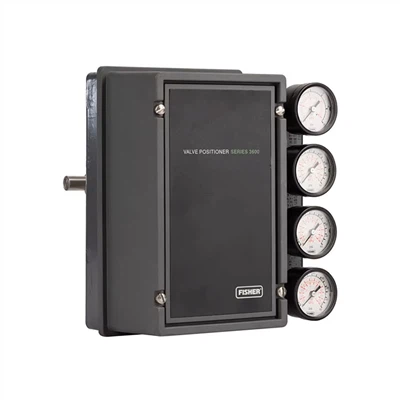
Our team of experts is always ready to help. If you have any questions about the sealing mechanism, installation, or maintenance of Fisher Ball Valves, we can provide you with the right answers. We’re committed to providing excellent customer service and ensuring that you’re satisfied with your purchase.
Fisher Pneumatic Actuator If you’re in the market for Fisher Ball Valves, we’d love to have a chat with you. Whether you’re a small business or a large industrial operation, we can work with you to find the perfect valve solution. Contact us to start a discussion about your requirements, and let’s see how we can help you get the most out of Fisher Ball Valves.
References
- Fisher Valve Technical Manuals
- Industry Reports on Valve Sealing Technologies
- Previous Case Studies on Fisher Ball Valve Applications
Century Weiye (Dalian) Control Equipment Co., Ltd.
As one of the leading fisher ball valve manufacturers and suppliers in China, we warmly welcome you to buy discount fisher ball valve in stock here from our factory. If you have any enquiry about quotation, please feel free to email us. Quality products and reasonable price are available.
Address: 2205, Building 8, Red Star International, Ganjingzi District, Dalian City, Liaoning Province
E-mail: serena@valvesjwy.com
WebSite: https://www.valve-sjwy.com/
