When it comes to sound insulation materials, one crucial aspect that often gets overlooked is their energy efficiency. As a supplier of sound insulation materials, I’ve witnessed firsthand the growing demand for products that not only block noise effectively but also contribute to energy savings. In this blog post, I’ll explore how different sound insulation materials compare in terms of energy efficiency, shedding light on their unique characteristics and benefits. Sound Insulation Materials

Understanding Energy Efficiency in Sound Insulation
Before delving into the comparison, it’s essential to understand what energy efficiency means in the context of sound insulation materials. Energy efficiency refers to the ability of a material to reduce energy consumption by minimizing heat transfer through the building envelope. Sound insulation materials can play a significant role in this process by creating a barrier that prevents heat from escaping or entering a building, thus reducing the need for heating or cooling systems.
Types of Sound Insulation Materials and Their Energy Efficiency
Fiberglass Insulation
Fiberglass insulation is one of the most commonly used sound insulation materials due to its affordability and effectiveness. It consists of fine glass fibers that trap air pockets, which act as an insulator. Fiberglass insulation has a high R-value, which measures its resistance to heat flow. A higher R-value indicates better insulation performance.
In terms of energy efficiency, fiberglass insulation can significantly reduce heat transfer, making it an excellent choice for both residential and commercial buildings. It helps to maintain a comfortable indoor temperature, reducing the load on heating and cooling systems and ultimately lowering energy costs. Additionally, fiberglass insulation is fire-resistant and does not emit harmful chemicals, making it a safe and environmentally friendly option.
Mineral Wool Insulation
Mineral wool insulation is another popular choice for sound insulation. It is made from natural minerals such as basalt or slag and is known for its excellent thermal and acoustic properties. Mineral wool insulation has a high density, which allows it to absorb sound and reduce noise transmission effectively.
In terms of energy efficiency, mineral wool insulation has a high R-value and can provide excellent thermal insulation. It helps to prevent heat loss in the winter and heat gain in the summer, reducing the energy consumption of heating and cooling systems. Mineral wool insulation is also fire-resistant and can withstand high temperatures, making it a safe and reliable option for buildings.
Spray Foam Insulation
Spray foam insulation is a versatile sound insulation material that can be applied to various surfaces. It is made from a mixture of chemicals that react when sprayed, creating a foam that expands and fills gaps and cavities. Spray foam insulation has a high R-value and can provide excellent thermal insulation.
In terms of energy efficiency, spray foam insulation can seal air leaks and prevent heat transfer, making it an effective way to reduce energy consumption. It also provides excellent sound insulation, reducing noise transmission and creating a more comfortable indoor environment. However, spray foam insulation can be more expensive than other types of insulation, and it requires professional installation.
Cellulose Insulation
Cellulose insulation is made from recycled paper and other natural materials and is known for its environmental friendliness. It is treated with fire retardants and insecticides to make it safe and durable. Cellulose insulation has a high R-value and can provide excellent thermal insulation.
In terms of energy efficiency, cellulose insulation can reduce heat transfer and prevent air leaks, making it an effective way to reduce energy consumption. It also provides excellent sound insulation, reducing noise transmission and creating a more comfortable indoor environment. Cellulose insulation is also affordable and easy to install, making it a popular choice for homeowners.
Comparing Energy Efficiency
When comparing the energy efficiency of different sound insulation materials, several factors need to be considered. These include the R-value, the thickness of the insulation, the installation method, and the climate in which the building is located.
In general, materials with a higher R-value provide better insulation performance and are more energy-efficient. However, the thickness of the insulation also plays a crucial role. Thicker insulation can provide better insulation performance, but it may also be more expensive and take up more space.
The installation method is also important. Proper installation is essential to ensure that the insulation performs as expected and provides maximum energy efficiency. Improper installation can lead to air leaks and reduced insulation performance, which can increase energy consumption.
Finally, the climate in which the building is located can also affect the energy efficiency of the insulation. In colder climates, insulation with a higher R-value may be necessary to prevent heat loss, while in warmer climates, insulation that can reflect heat may be more effective.
Conclusion
In conclusion, the energy efficiency of sound insulation materials is an important factor to consider when choosing the right insulation for your building. Different types of sound insulation materials have different energy efficiency ratings, and it’s essential to choose the one that best suits your needs and budget.
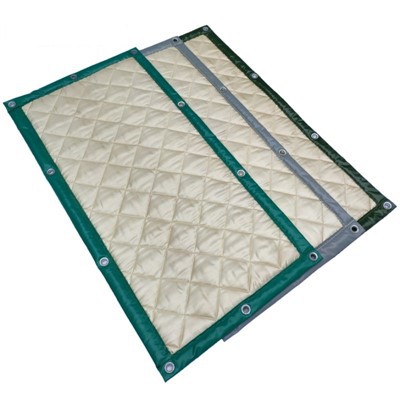
As a supplier of sound insulation materials, I can provide you with expert advice and guidance on choosing the right insulation for your project. Whether you’re looking for fiberglass insulation, mineral wool insulation, spray foam insulation, or cellulose insulation, I can help you find the product that meets your requirements.
Fabric Wrapped Acoustic Panels If you’re interested in learning more about sound insulation materials and their energy efficiency, or if you’re ready to start your next project, please don’t hesitate to contact me. I’d be happy to discuss your options and provide you with a free quote.
References
- Building Science Corporation. (n.d.). Insulation and Energy Efficiency. Retrieved from https://www.buildingscience.com/
- Energy Star. (n.d.). Insulation. Retrieved from https://www.energystar.gov/
- National Association of Home Builders. (n.d.). Insulation. Retrieved from https://www.nahb.org/
Guangzhou MQ Acoustic Materials Co., Ltd.
Guangzhou MQ Acoustic Materials Co., Ltd. is one of the most professional sound insulation materials manufacturers and suppliers in China, featured by quality products and low price. Welcome to buy CE approved sound insulation materials in stock here and get quotation from our factory. We also accept customized orders.
Address: Room D403, KeZhu Business Building, ZhuJi Road, TianHe District, GuangZhou, China
E-mail: Lizzy@mq-acoustics.com
WebSite: https://www.acoustic-projects.com/
