Can wall fabric be recycled? This is a question that I, as a wall fabric supplier, often encounter in my business. In the era of increasing environmental awareness, the recyclability of products is not only a concern for consumers but also a significant aspect for suppliers like me. In this blog, I will explore the recyclability of wall fabric from multiple perspectives, including the materials used, the recycling process, and the challenges and opportunities in this field. Wall Fabric
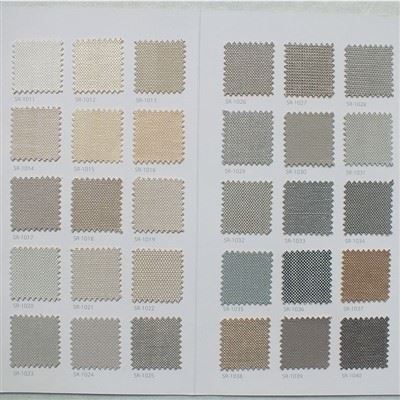
The Materials of Wall Fabric
Wall fabric is typically made from a variety of materials, and the recyclability largely depends on these components. The most common materials used in wall fabric production include natural fibers, synthetic fibers, and a combination of both.
Natural fibers such as cotton, linen, and silk are derived from plants or animals. These materials are generally considered more environmentally friendly and have a higher potential for recycling. Cotton, for example, is a renewable resource, and old cotton wall fabric can often be broken down into fibers and reused in the production of new textile products. Linen, made from flax plants, is also biodegradable and can be recycled in similar ways. Silk, a protein – based fiber, while more delicate, can sometimes be reprocessed into new silk fabrics or other silk – derived products.
On the other hand, synthetic fibers like polyester, nylon, and acrylic are widely used in wall fabric due to their durability, low cost, and versatility. These fibers are made from petrochemicals, which are non – renewable resources. Recycling synthetic fibers can be more complex. Polyester, however, has seen significant progress in recycling technology. Post – consumer polyester wall fabric can be melted down and spun into new polyester fibers, which can then be used to make new wall fabric or other polyester products.
Some wall fabrics also incorporate additives such as dyes, coatings, and flame retardants. These additives can complicate the recycling process. For instance, certain dyes may need to be removed before the fabric can be effectively recycled, and some flame retardants may be toxic and require special handling to ensure environmental safety.
The Recycling Process of Wall Fabric
The recycling process of wall fabric generally involves several steps. The first step is collection. This can be a challenge, as wall fabric is often installed in buildings and may not be easily removable. However, in some cases, when a building is renovated or demolished, the wall fabric can be salvaged and sent for recycling.
Once collected, the wall fabric needs to be sorted. This is crucial because different materials and types of wall fabric require different recycling methods. For example, natural and synthetic fibers need to be separated, and fabrics with different levels of contamination or the presence of additives need to be grouped accordingly.
After sorting, the wall fabric undergoes a cleaning process. This is to remove dirt, dust, and any other contaminants. The cleaning method depends on the type of fabric and the nature of the contaminants. For some natural fibers, a simple water – based cleaning process may be sufficient, while for fabrics with more stubborn stains or chemical additives, more advanced cleaning techniques may be required.
The next step is to break down the fabric into its basic components. For natural fibers, this can involve processes such as shredding and carding to separate the fibers. In the case of synthetic fibers, melting or chemical processes may be used to convert the fabric back into a raw material state.
Finally, the recycled materials are used to manufacture new products. The recycled fibers can be used in the production of new wall fabric, but they can also be used in other applications such as insulation materials, upholstery, or even non – textile products like composite materials.
Challenges in Wall Fabric Recycling
While the concept of recycling wall fabric is promising, there are several challenges that need to be addressed.
One of the main challenges is the lack of awareness among consumers and the building industry. Many people are not aware that wall fabric can be recycled, and as a result, a large amount of wall fabric ends up in landfills. This lack of awareness also affects the collection process, as there are no well – established collection systems for used wall fabric.
The complexity of the wall fabric materials is another significant challenge. As mentioned earlier, the presence of additives and the combination of different fibers make the recycling process more difficult. Specialized recycling technologies are often required to handle these complex materials, and these technologies can be expensive to develop and implement.
In addition, the quality of recycled wall fabric can be a concern. Recycled materials may not have the same strength, colorfastness, or other properties as virgin materials. This can limit the applications of recycled wall fabric, especially in high – end or demanding applications.
Opportunities in Wall Fabric Recycling
Despite the challenges, there are also many opportunities in wall fabric recycling.
From an environmental perspective, recycling wall fabric can significantly reduce the amount of textile waste going to landfills. This helps to conserve natural resources and reduce the environmental impact of the textile industry. It also contributes to the overall goal of a circular economy, where products are reused and recycled instead of being discarded.
There is also a growing market demand for sustainable products. Consumers are becoming more conscious of the environmental impact of their purchases and are increasingly willing to pay a premium for sustainable wall fabric. By offering recycled wall fabric, suppliers can tap into this market and gain a competitive edge.
Moreover, the development of new recycling technologies is opening up new possibilities. Researchers are constantly working on improving the efficiency and effectiveness of recycling processes, which can make wall fabric recycling more viable and cost – effective in the long run.
Conclusion
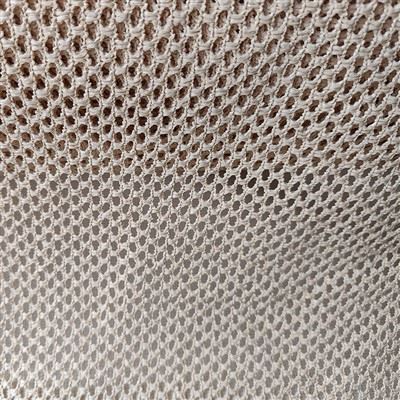
In conclusion, wall fabric can be recycled, but the recyclability depends on various factors such as the materials used, the presence of additives, and the availability of proper recycling technologies and systems. As a wall fabric supplier, I am committed to promoting the recyclability of our products. We are exploring ways to use more sustainable materials in our wall fabric production and to support the development of efficient recycling processes.
Sun Shade Fabric If you are interested in purchasing high – quality wall fabric, whether it is made from recycled materials or virgin materials, I invite you to reach out to me. We can have a detailed discussion about your specific needs and how we can provide the best solutions for your projects. Let’s work together to create a more sustainable future while adding beauty and functionality to your spaces.
References
- "Textile Recycling: Technology, Innovations, and Waste Reduction" – A comprehensive book on textile recycling that provides in – depth information on the recycling processes of various textile materials.
- Journal articles on sustainable materials in the building industry, which discuss the environmental impacts and recycling potential of wall fabric and other building textiles.
- Industry reports on the trends and challenges in the wall fabric market, including the shift towards sustainable and recyclable products.
Nanping Kingway New Material Co., Ltd.
As one of the most professional wall fabric manufacturers and suppliers in China, we also support customized service. With abundant experience, we warmly welcome you to wholesale durable wall fabric in stock here from our factory. If you have any enquiry about pricelist, please feel free to email us.
Address: No. 10, Chengnan Branch Road, Chengjiao Town, Nanping, Fujian, China.
E-mail: npjwxcl@aliyun.com
WebSite: https://www.suernew.com/
