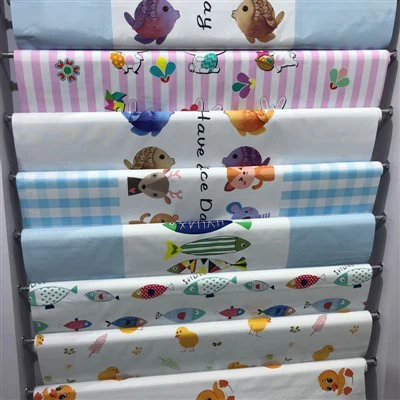
Handling custom printed PVC film during installation is a crucial process that requires careful planning, precise execution, and a deep understanding of the material’s properties. As a supplier of custom printed PVC film, I’ve witnessed firsthand the challenges and triumphs that come with this task. In this blog post, I’ll share my insights and expertise on how to handle custom printed PVC film during installation, ensuring a smooth and successful project. Custom Printed PVC Film
Preparing for Installation
Before you begin the installation process, it’s essential to prepare both the PVC film and the installation surface. This preparation phase sets the foundation for a high-quality installation and helps prevent common issues such as bubbles, wrinkles, and uneven adhesion.
Inspect the PVC Film
Upon receiving the custom printed PVC film, carefully inspect it for any damages or defects. Check for scratches, tears, or misprints that could affect the final appearance of the installation. If you notice any issues, contact your supplier immediately to arrange for a replacement.
Clean the Installation Surface
The installation surface must be clean, dry, and free of any debris, dust, or grease. Use a mild detergent and water to clean the surface thoroughly, then rinse it with clean water and allow it to dry completely. For best results, use a lint-free cloth to dry the surface and remove any remaining moisture.
Measure and Cut the PVC Film
Measure the dimensions of the installation surface accurately and cut the PVC film to the appropriate size, leaving a small margin for trimming. Use a sharp utility knife or scissors to cut the film, and make sure to cut it straight and evenly. If you’re working with a large piece of PVC film, consider using a cutting mat or a straight edge to guide your cuts.
Installing the PVC Film
Once you’ve completed the preparation phase, it’s time to start installing the custom printed PVC film. The following steps will guide you through the installation process:
Apply a Primer (Optional)
Depending on the type of installation surface and the PVC film you’re using, you may need to apply a primer to improve adhesion. A primer helps the PVC film bond more securely to the surface and prevents it from peeling or lifting over time. Follow the manufacturer’s instructions carefully when applying the primer, and allow it to dry completely before proceeding with the installation.
Position the PVC Film
Carefully position the PVC film on the installation surface, starting from one end and working your way across. Make sure the film is aligned correctly and straight, and use a squeegee or a roller to smooth out any bubbles or wrinkles as you go. If you notice any air bubbles trapped under the film, use a pin or a needle to puncture them and release the air.
Apply Pressure
Once the PVC film is in position, apply pressure to the surface to ensure a strong bond between the film and the installation surface. Use a squeegee or a roller to apply even pressure, starting from the center of the film and working your way towards the edges. Make sure to apply enough pressure to eliminate any air pockets or gaps between the film and the surface.
Trim the Excess Film
After applying pressure to the PVC film, use a sharp utility knife or scissors to trim the excess film along the edges of the installation surface. Make sure to cut the film flush with the edges of the surface, and remove any loose or frayed edges.
Post-Installation Care
Once the custom printed PVC film is installed, it’s important to take proper care of it to ensure its longevity and performance. The following tips will help you maintain the PVC film and keep it looking its best:
Avoid Scratching or Abrasion
The PVC film is relatively durable, but it can still be scratched or abraded if it comes into contact with sharp or rough objects. Avoid using abrasive cleaners or scrubbers on the film, and use a soft, lint-free cloth to clean it instead.
Protect the Film from UV Rays
Prolonged exposure to UV rays can cause the PVC film to fade or discolor over time. If the installation surface is exposed to direct sunlight, consider using a UV-resistant film or applying a UV protectant coating to the film to prevent damage.
Clean the Film Regularly
To keep the PVC film looking its best, clean it regularly with a mild soap and water solution. Avoid using harsh chemicals or solvents, as they can damage the film and affect its adhesion.
Troubleshooting Common Issues
Even with careful preparation and installation, issues may still arise during the installation process. The following are some common issues and solutions:
Bubbles
Bubbles can occur when air gets trapped between the PVC film and the installation surface. To remove bubbles, use a pin or a needle to puncture them and release the air, then use a squeegee or a roller to smooth out the film.
Wrinkles
Wrinkles can occur if the PVC film is not applied evenly or if it is stretched too tightly during installation. To remove wrinkles, gently heat the film with a hairdryer or a heat gun, then use a squeegee or a roller to smooth out the film while it’s still warm.
Peeling or Lifting
Peeling or lifting can occur if the PVC film is not properly adhered to the installation surface or if it is exposed to extreme temperatures or humidity. To fix peeling or lifting, apply a small amount of adhesive or sealant to the edges of the film, then press it firmly against the surface.
Conclusion
Handling custom printed PVC film during installation requires careful attention to detail and a thorough understanding of the material’s properties. By following the steps outlined in this blog post, you can ensure a smooth and successful installation that delivers a high-quality, long-lasting result.
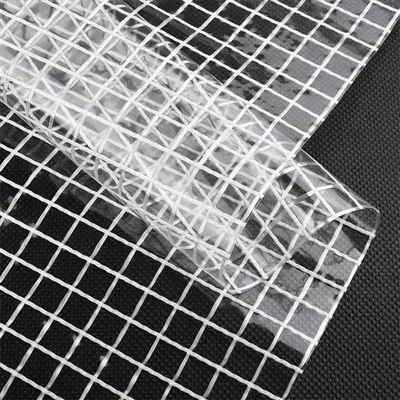
PVC Printing Film If you’re interested in learning more about our custom printed PVC film products or have any questions about the installation process, please don’t hesitate to contact us. Our team of experts is here to help you find the perfect solution for your project and provide you with the support and guidance you need to ensure a successful installation.
References
- [PVC Film Installation Guide – Manufacturer’s Manual]
- [Best Practices for Installing Decorative Films – Industry Research]
- [Maintenance Tips for PVC Films – Material Science Journal]
Nantong Dahe Composite New Material Technology Co., Ltd.
Address: South Side of Pinghai Highway, Pinghe Village, Dongshe Town, Tongzhou District, Nantong City, Jiangsu Province, China
E-mail: nantongdahe@outlook.com
WebSite: https://www.cndahetech.com/
