Yo, what’s up! I’m a supplier in the fiber filter game, and today I wanna chat about how these bad boys resist wear and tear. It’s a topic that’s super crucial for anyone who’s using or thinking about using fiber filters, whether it’s in industrial applications, HVAC systems, or even in some high – tech gadgets. Fiber Filter
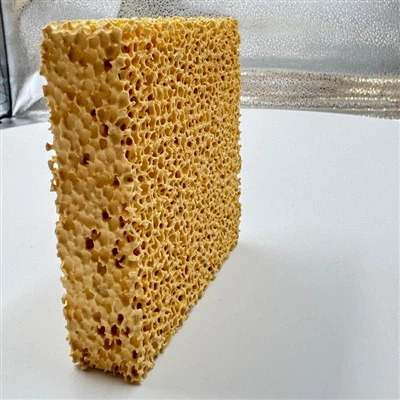
First off, let’s talk about what fiber filters are. They’re basically made up of a bunch of tiny fibers that work together to trap particles. You can find them in different shapes and sizes, but the main job is always the same: to clean the air or fluid that passes through them. Now, when it comes to wear and tear, there are a few factors that can take a toll on these filters.
One of the biggest enemies of fiber filters is friction. As the air or fluid flows through the filter, it rubs against the fibers. Over time, this friction can cause the fibers to break down. But here’s the thing about our fiber filters—we use high – quality fibers that are really tough. These fibers are designed to withstand the constant rubbing. Think of it like a well – made pair of jeans. They can handle a lot of wear and tear from moving around and doing different activities without getting holes right away. Our fibers have a similar kind of durability.
Another factor that can cause wear and tear is the pressure. In some industrial settings, the air or fluid is pushed through the filter at high pressure. This can put a lot of strain on the fibers. But our filters are engineered to handle this. We’ve optimized the structure of the filter to distribute the pressure evenly across the fibers. It’s like building a bridge. If all the weight is concentrated in one spot, the bridge is more likely to break. But if it’s evenly spread out, the bridge can support a lot more weight. The same principle applies to our fiber filters. By spreading the pressure evenly, we reduce the chances of individual fibers getting over – stressed and breaking.
Contaminants are also a major issue. When dirty air or fluid passes through the filter, the particles it carries can scratch and abrade the fibers. Some of these particles can be really sharp, like tiny pieces of glass or metal. But our fiber filters have a special coating. This coating acts as a protective shield for the fibers. It’s like putting on a suit of armor. The contaminants hit the coating instead of the fibers directly, so the fibers stay in good shape for longer.
Now, let’s talk about how we test our fiber filters to make sure they can resist wear and tear. We don’t just make claims and hope for the best. We put our filters through some really tough tests. One of the tests we do is the abrasion test. We use a machine that rubs a rough surface against the filter to simulate the friction it would experience in real – world use. We run this test for hours and hours, and then we check the filter to see how much damage there is. If the filter passes this test with flying colors, we know it can handle the friction in actual applications.
We also do a pressure test. We increase the pressure of the air or fluid passing through the filter to levels that are higher than what it would normally encounter. This helps us see how the filter responds under extreme conditions. If the filter can maintain its structure and performance under high pressure, we know it’s going to be reliable in normal use.
In addition to these mechanical tests, we also test the filter’s resistance to different types of contaminants. We expose the filter to a variety of particles, from fine dust to larger, more abrasive debris. This way, we can make sure that the filter can handle whatever comes its way.
So, why does all this matter to you? Well, if you’re in the market for fiber filters, you want something that’s going to last. A filter that wears out quickly means you’ll have to replace it more often, which can be a hassle and cost you more money in the long run. Our fiber filters are built to be durable, so you can save on replacement costs and have less downtime due to filter changes.
Whether you’re running a big factory, managing an office building’s HVAC system, or working on a small – scale project, our fiber filters are a great choice. They can handle the wear and tear of daily use and keep doing their job effectively.
If you’re interested in learning more about our fiber filters or want to discuss a potential purchase, don’t hesitate to reach out. We’re always happy to chat with you and answer any questions you might have. We can also provide you with samples so you can see the quality of our filters firsthand.

In conclusion, our fiber filters are designed to resist wear and tear through a combination of high – quality fibers, smart engineering, and protective coatings. We back up our claims with rigorous testing, so you can trust that our filters will perform well in your applications. If you’re looking for a reliable and long – lasting fiber filter solution, we’re here to help.
Fiber Filter References:
- Industry – standard knowledge on fiber filter manufacturing and testing
- In – house research and development data on fiber filter performance and durability
Shanxi Dingtai Yinrui Filter Manufacturing Co., Ltd.
As one of the most professional fiber filter manufacturers and suppliers in China, we’re featured by quality products and good service. Please feel free to buy high-grade fiber filter made in China here from our factory. Contact us for more details.
Address: Plant 1-2, No.3 Xuhu Business and Trade Industrial Park, Houma Economic Development Zone, Linfen, Shanxi, China
E-mail: tina@dtcastingfilters.com
WebSite: https://www.dingtaifilter.com/
