Cold storage facilities are essential for preserving a wide range of products, from fresh produce to pharmaceuticals. As a carton supplier, understanding the specific requirements for cartons in cold storage is crucial to ensuring the integrity and longevity of the stored goods. In this blog post, I’ll delve into the key factors that determine the suitability of cartons for cold storage environments. Carton

Material Selection
The choice of material is the foundation of a cold – storage – ready carton. Corrugated cardboard is a popular choice, but not all corrugated cardboard is created equal. For cold storage, we need to focus on high – quality, moisture – resistant materials.
Kraft paper is often used as the linerboard for cold – storage cartons. It has excellent strength and durability. The outer layer of the carton should be made of a kraft paper with a high basis weight. This provides better protection against impact and abrasion, which are common issues in cold storage facilities where forklifts and other handling equipment are constantly in use.
The fluting medium also plays a vital role. A strong fluting structure can enhance the carton’s compression strength. Moreover, we can treat the corrugated cardboard with a water – resistant coating. This coating acts as a barrier, preventing water vapor from being absorbed into the carton. In cold storage, condensation can occur as temperature fluctuations happen. Without proper protection, the carton can become soggy and lose its structural integrity.
Structural Design
Proper structural design is essential to withstand the unique challenges of cold storage. The carton should have a well – designed tray or pad at the bottom to keep the product off the cold floor. The cold floor can cause rapid cooling and potential damage to the product in direct contact.
The carton’s design should also allow for efficient stacking. In a cold storage warehouse, space is often at a premium. Cartons need to stack stably to maximize storage capacity. Reinforced corners and edges are a must. These areas are more vulnerable to damage during handling and stacking. By using corner protectors or double – walled construction at the corners, we can significantly improve the carton’s durability.
Ventilation is another important aspect of the design. Some products stored in cold storage, such as fresh produce, need to breathe. Therefore, the carton should be designed with ventilation holes or slots. However, these holes need to be carefully sized and placed to prevent excessive heat loss or the entry of contaminants.
Temperature and Humidity Resistance
Cold storage environments typically operate at low temperatures, often below freezing point. Cartons need to be able to maintain their strength and shape in these extreme cold conditions. The materials used in the carton should not become brittle at low temperatures. Otherwise, the carton may crack or break during handling.
Humidity is also a major concern. As mentioned earlier, condensation can form on the cartons due to temperature fluctuations. A carton that can resist high humidity levels is essential. We can use materials with a high moisture – vapor transmission rate (MVTR) rating. These materials allow moisture to pass through the carton slowly, reducing the risk of condensation build – up inside the carton.
In addition, the carton should be able to withstand repeated temperature changes. When products are moved in and out of the cold storage, the cartons are exposed to different temperature zones. This thermal cycling can cause stress on the carton. A well – designed carton can endure these temperature variations without losing its functionality.
Compatibility with Stored Products
The carton must be compatible with the products it is intended to store. For example, if the product is a liquid or has a high moisture content, the carton should be leak – proof. This may require additional sealing treatments or the use of inner liners.
Some products, such as pharmaceuticals, may have strict requirements for cleanliness and sterility. In this case, the cartons need to be made from materials that can be easily sanitized and are free from contaminants.
For food products, the cartons should meet all relevant food safety regulations. This means using non – toxic materials and ensuring that the carton does not transfer any harmful substances to the food.
Labeling and Identification
In a cold storage facility, proper labeling and identification are crucial. The labels need to be resistant to cold temperatures and moisture. They should not fade, peel, or become illegible due to the cold and humid environment.
The labels should include essential information such as product name, batch number, expiration date, and storage instructions. This information helps in inventory management and ensures that products are stored and used correctly.
Testing and Certification
Before supplying cartons for cold storage, thorough testing is necessary. We can conduct tests for compression strength, moisture resistance, and temperature resistance. These tests simulate the actual conditions in a cold storage environment and help us identify any potential weaknesses in the carton design.
Certification is also an important aspect. There are various industry standards for cold – storage cartons, such as ISO standards and national food safety standards. By obtaining the relevant certifications, we can assure our customers that our cartons meet the required quality and safety levels.
Conclusion
As a carton supplier, meeting the requirements for cartons in cold storage is a complex but achievable task. By carefully selecting materials, designing a suitable structure, ensuring temperature and humidity resistance, and considering product compatibility, we can provide high – quality cartons that protect the stored goods in cold storage environments.
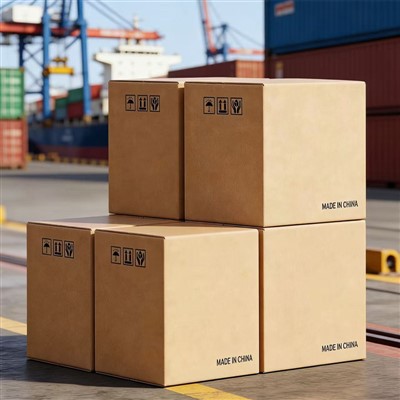
If you are in the market for cold – storage cartons, I invite you to engage in further discussions with me. Whether you need a large – scale order for a major cold – storage facility or a customized solution for a unique product, I’m here to help. I can work with you to understand your specific requirements and develop the most suitable carton solution. Let’s start a conversation about how I can meet your cold – storage carton needs.
Corrugated Carton References
- "Packaging Materials and Their Properties" by Packaging Education Institute
- "Cold Chain Logistics: Principles and Practices" by various industry experts contributed to the Cold Chain Association Manual
- Research papers on Packaging Technology from leading academic journals in the field of packaging engineering
Hangzhou Yitian Printed Goods Co., Ltd.
We’re well-known as one of the leading carton manufacturers and suppliers in China, also support customized service. Please feel free to buy high quality carton made in China here and get pricelist from our factory. For price consultation, contact us.
Address: Room 1719-1, Building 2, Xinglan Building, No. 2333 Xixing Road, Xixing Subdistrict, Binjiang District, Hangzhou City, Zhejiang Province
E-mail: sxyunchao2023@163.com
WebSite: https://www.ytcarton.com/
