As a prominent supplier of sintered fibre felt material and filters, I’ve had the privilege of witnessing the remarkable evolution and widespread application of this versatile material. Sintered fibre felt has become a cornerstone in numerous industries, from automotive to chemical processing, due to its unique properties and exceptional performance. In this blog post, I’ll delve into the quality standards of sintered fibre felt material, exploring the key factors that define its excellence and why it matters for your applications. Sintered Fibre Felt Material and Filter
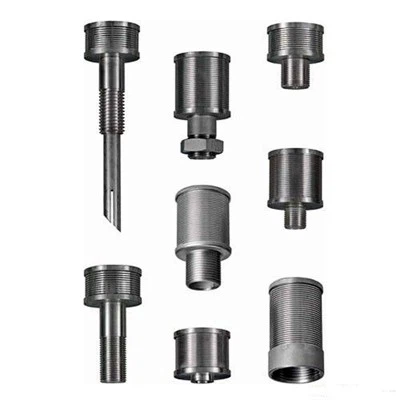
Understanding Sintered Fibre Felt
Before we dive into the quality standards, let’s briefly revisit what sintered fibre felt is. Sintered fibre felt is a porous material made by compacting and sintering metal or ceramic fibres together. This process creates a three – dimensional network of interconnected fibres, resulting in a material with high porosity, good mechanical strength, and excellent filtration properties. The choice of fibre material, such as stainless steel, nickel, or ceramic, depends on the specific requirements of the application, including temperature resistance, chemical compatibility, and filtration efficiency.
Key Quality Standards
1. Fibre Composition and Purity
The composition and purity of the fibres are fundamental to the quality of sintered fibre felt. High – purity fibres ensure consistent material properties and better performance. For example, in stainless – steel sintered fibre felt, the correct alloy composition is crucial for corrosion resistance. A precise mix of chromium, nickel, and other alloying elements provides optimal protection against various corrosive media, making the felt suitable for use in challenging chemical environments.
Contamination in the fibres can lead to reduced mechanical strength, premature wear, and decreased filtration efficiency. Therefore, strict quality control measures are in place during the fibre production process to ensure low levels of impurities. Regular chemical analysis and spectroscopic testing are performed to verify the fibre composition and purity.
2. Fibre Diameter and Distribution
The diameter of the fibres used in sintered fibre felt significantly impacts its filtration performance. Finer fibres generally result in a higher surface area and smaller pore sizes, which can enhance the filtration efficiency by capturing smaller particles. However, a balance must be struck, as excessively fine fibres can increase the pressure drop across the filter, reducing the flow rate.
Uniform fibre diameter distribution is also essential. Non – uniform fibre diameters can lead to inconsistent pore sizes in the felt, causing variations in filtration efficiency and potentially allowing larger particles to pass through in some areas. Advanced manufacturing techniques are employed to produce fibres with a narrow diameter distribution, ensuring a more consistent and reliable filtration performance.
3. Porosity and Pore Size
Porosity refers to the percentage of void space in the sintered fibre felt. It is a critical parameter that affects both the filtration efficiency and the flow rate. Higher porosity generally allows for a higher flow rate but may reduce the filtration efficiency, as there is more space for particles to pass through. Conversely, lower porosity can improve filtration efficiency but may increase the pressure drop and limit the flow rate.
The pore size of the sintered fibre felt determines the size of the particles that can be captured. Pore size is typically characterized by the mean pore diameter and the maximum pore diameter. A well – defined and controlled pore size distribution is necessary for achieving the desired filtration performance. Quality sintered fibre felt should have a narrow pore size distribution, ensuring consistent particle removal across the entire surface of the filter.
4. Mechanical Strength and Durability
Sintered fibre felt must possess sufficient mechanical strength to withstand the operating conditions of the filtration process. This includes resistance to pressure, vibration, and mechanical stress. The mechanical strength of the felt is influenced by factors such as the fibre composition, fibre diameter, and the sintering process.
A well – sintered felt will have strong bonds between the fibres, providing good structural integrity. Durability is also an important aspect, especially in applications where the filter is exposed to harsh chemicals or high – temperature environments. The material should be able to maintain its performance over an extended period without significant degradation.
5. Filtration Efficiency
Filtration efficiency is perhaps the most critical quality standard for sintered fibre felt. It is defined as the percentage of particles of a given size that are removed from the fluid stream by the filter. Filtration efficiency is typically tested using standardized methods, such as the multi – pass test, which measures the ability of the filter to remove particles of different sizes under controlled conditions.
High – quality sintered fibre felt should have a high filtration efficiency for the target particle size range. This ensures that the filtered fluid meets the required purity standards, protecting downstream equipment and processes from damage caused by particle contamination.
Importance of Quality Standards
Adhering to strict quality standards for sintered fibre felt material is of utmost importance for several reasons. Firstly, it ensures the reliability and performance of the filters in various applications. In critical industries such as aerospace and pharmaceuticals, the use of high – quality filters is essential to prevent product contamination and ensure the safety of the end – users.
Secondly, quality standards help to reduce maintenance costs and downtime. A well – made sintered fibre felt filter will have a longer service life and require less frequent replacement, resulting in cost savings for the end – user. Additionally, consistent quality means fewer filter failures and less disruption to the production process.
Finally, meeting quality standards is crucial for regulatory compliance. Many industries are subject to strict regulations regarding product quality and safety. Using sintered fibre felt that meets the relevant quality standards helps companies to comply with these regulations and avoid potential legal issues.
How We Ensure Quality
As a supplier of sintered fibre felt material and filters, we are committed to maintaining the highest quality standards. We start by sourcing the finest raw materials from trusted suppliers. Our in – house quality control team conducts rigorous inspections and tests on all incoming materials to ensure their compliance with our specifications.
During the manufacturing process, we use state – of – the – art equipment and advanced production techniques to ensure consistent quality. Our production facilities are equipped with advanced monitoring systems that allow us to closely control the key process parameters, such as temperature, pressure, and sintering time.
After production, each batch of sintered fibre felt and filters undergoes a comprehensive set of quality tests. These tests include chemical analysis, mechanical strength testing, porosity and pore size measurement, and filtration efficiency testing. Only products that meet our strict quality criteria are released for sale.
Conclusion
In conclusion, the quality standard of sintered fibre felt material is defined by several key factors, including fibre composition and purity, fibre diameter and distribution, porosity and pore size, mechanical strength and durability, and filtration efficiency. Meeting these quality standards is essential for ensuring the reliability, performance, and safety of the filters in various applications.

As a reliable supplier of sintered fibre felt material and filters, we are dedicated to providing our customers with products that meet the highest quality standards. Whether you are looking for a filter for a small – scale laboratory application or a large – scale industrial process, we have the expertise and the resources to meet your needs.
Sintered Fibre Felt Material and Filter If you are interested in purchasing sintered fibre felt material or filters, or if you have any questions about our products and services, we encourage you to contact us. Our team of experts is ready to assist you in finding the right solution for your specific requirements. Let’s start a discussion and see how we can work together to achieve your filtration goals.
References
- ASME Standards Committee on Fluid Meters. “Measurement of Fluid Flow in Pipes Using Orifice, Nozzle, and Venturi.” American Society of Mechanical Engineers, 2020.
- ISO 16889:2016 “Hydraulic fluid power – Filters – Method for determining the filtration performance of a filter element.” International Organization for Standardization, 2016.
- Tang, Li. “Advanced Filtration Materials and Technologies.” Elsevier, 2019.
Henan Easy Filter Equipment Co., Ltd.
As one of the leading sintered fibre felt material and filter manufacturers and suppliers in China, we offer a wide range of products with superior quality. Please rest assured to buy advanced sintered fibre felt material and filter from our factory. We also accept customized orders.
Address: Apartment No.1, Building No.2, Zhengshang Jinyushijia, Xinzhong Street, Xinxiang, Henan, China.
E-mail: vivian@easyfiltertech.com
WebSite: https://www.easyfilter-china.com/
