If you’ve ever looked at your stainless steel sink and noticed those annoying little scratch marks that pop up out of nowhere, you’re not alone. I’ve been working as a stainless steel sink supplier for over a decade, and let me tell you—this is one of the most common questions I get from customers, plumbers, and even contractors. A lot of people think stainless steel is invincible, but it’s actually pretty easy to scuff if you don’t know what you’re doing. The good news is, preventing scratches doesn’t require fancy tools or a ton of effort. Let’s break down what actually works, no fluff, just real stuff I’ve learned over the years working with sinks every single day. Stainless Steel Sink
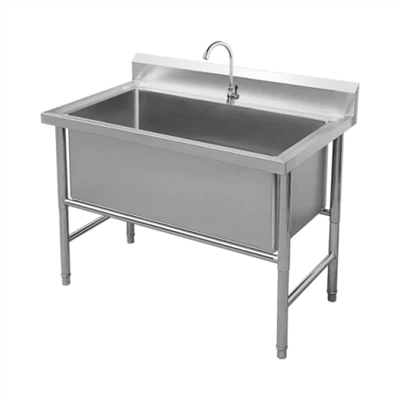
First, let’s get one thing straight: not all stainless steel is the same. I’ve seen way too many cuts where cheap, thin-gauge stainless is installed, and it scratches just from regular use. Wait—gauge, right? That’s the thickness. Lower gauge numbers mean thicker steel, which is way more resistant to scratches. A lot of suppliers will try to upsell you on 20-gauge, but trust me, 18-gauge (or even 16-gauge for heavy use) is way worth the extra $20 or $30. I’ve had customers come back after a year saying their new sink looks brand new, while others with 20-gauge sinks are already calling to complain about scratches. It’s not just a sales pitch—thickness matters because thin steel flexes more, and when it flexes against a sharp edge or hard object, it scuffs way easier.
Next, the stuff you use in your sink is probably the biggest culprit. Let’s start with pots and pans. I know it’s tempting to dump a hot cast iron skillet right into the sink to soak after dinner—done that myself. But cast iron has rough, uneven edges, and when you slide it around, those edges act like sandpaper on your stainless steel. Same goes for baking sheets, cutting boards, and even the metal utensil set you keep next to the sink. I’ve had customers say “I don’t use those metal utensils” only to find they were dragging a metal can opener across the basin and didn’t even notice. Small, sharp metal objects are silent scratch machines.
What can you do instead? Invest in a sink grid. Not those flimsy plastic ones that break after a month—get a sturdy stainless steel or silicone grid that fits exactly the bottom of your sink. I recommend these so much that we include them as a standard add-on for most of our bulk orders. The grid acts as a barrier between your pots, pans, and the sink itself. It also prevents heat from direct contact, which can actually discolor stainless steel too—win-win. And if you don’t want to spring for a grid, throw a thick dish towel or a rubber mat at the bottom before setting heavy or sharp items down. I’ve even had customers use old wine corks to pad the edges of their sink for extra protection, and that works too.
Cleaning products are another area where people mess up. A lot of the popular “stainless steel cleaners” out there have abrasives in them, even if the label says “gentle.” Things like baking soda, scouring pads, or even steel wool—all of these will leave tiny scratches over time that build up and make your sink look dull. I see this all the time: someone scrubs their sink with a steel wool pad to get rid of a stain, and a week later, they have a bunch of new scratches. The right way to clean a stainless steel sink is to use a non-abrasive cleaner, like dish soap or a mild all-purpose cleaner, and a soft sponge (the yellow ones are fine, just not the green heavy-duty kind). Oh, and always wipe with the grain of the steel! Stainless steel has a directional finish, so if you scrub against the grain, you’re dragging tiny particles along and causing scratches that are way more noticeable. I’ve had customers tell me their sink looks brand new just by switching from cross-grain scrubbing to going with the grain—game changer.
Wait, what about food particles? A lot of people don’t realize that hard, small things like rice, pasta, or even crushed ice can scratch your sink if they get stuck and you run water over them. When you wash your dishes, if there’s a bunch of dry pasta or rice on the plates, don’t just dump it straight into the sink. Either rinse it in a bowl first, or get a drain strainer for your sink. Those strainers catch all the food bits, so they don’t get swirled around by the water pressure and scratch the sides or bottom. I recommend a stainless steel strainer too—plastic ones get cracked, and sharp edges on the cracks can scratch your sink. It’s a $5 part that saves you from a way bigger headache later.
Another mistake I see all the time: using the sink as a work surface. I get it—when you’re chopping veggies, it’s easy to set the cutting board right in the sink to catch scraps. But if the cutting board is metal, or if you’re using a sharp knife, the edge of the board or the knife can slip and scratch the sink. Even wooden cutting boards can have rough edges that scratch if you’re not careful. Instead, set your cutting board on a stable countertop, and use the sink as a sink—for washing, not for prepping. I know it’s convenient, but it’s not worth the scuffs.
What about damage that’s already there? Can you get rid of old scratches? Yeah, but it’s not as easy as a lot of YouTube videos make it sound. The DIY methods—like using baking soda and water to make a paste and rubbing it with a soft cloth—can work for light scratches, but deep ones will probably stay. And if you use a sander or something too harsh, you’ll ruin the finish on your sink. That’s why preventing scratches in the first place is way easier than fixing them later. Trust me, I’ve had customers spend 3 times what a new sink costs trying to fix scratches on an old one, when they could’ve just taken simple steps to avoid them.
Let’s also talk about maintenance habits that make a difference. Wiping your sink dry after every use is one of the best things you can do. When water sits on stainless steel, it leaves mineral deposits (like limescale) that can actually etch the surface and make it more prone to scratches over time. I know, it’s an extra step after washing dishes, but a quick wipe with a microfiber cloth takes 10 seconds, and it keeps your sink looking good for years. Also, avoid leaving wet metal items in the sink overnight. A metal spoon or a fork left in water for 8 hours will have tiny spots where it’s been sitting, and over time, those spots can become scratches if you move it around.
Wait, what about our products? As a stainless steel sink supplier, we design our sinks with scratch resistance in mind. Most of our sinks use 18-gauge 304 stainless steel, which is the industry standard for durability. 304 steel is more corrosion-resistant than lower grades, so it doesn’t get pitted, and the surface finish we use (brushed stainless) is actually more scratch-resistant than a polished finish. Polished sinks show every tiny mark, while brushed finishes hide scratches way better. That’s why we recommend brushed for most customers—unless they really want that shiny look, in which case we just tell them to be extra careful.
I should mention a few things that people think cause scratches, but actually don’t. For example, hot water or boiling pots? Wait, no—hot water doesn’t scratch stainless steel. The problem with boiling pots is when you set them directly on the sink bottom, not the water. So if you set a 5-gallon pot of boiling water in the sink, even if it’s empty, it can warp thin steel and cause scratches. But the water itself is fine. Same with dishwashers—loading dishes and putting them in the sink doesn’t cause scratches if you do it gently. It’s all about how you move hard or sharp items around.
Another pro tip: if you have kids, teach them how to use the sink properly. I’ve had so many customers say their kids drag bike parts or metal toys through the sink after playing, and those leave huge scratches. It’s not a big deal, but a quick lesson on not slamming metal items or sliding them around goes a long way. And for rental properties? I actually recommend leaving a sink grid for tenants—way fewer call-backs for scratch damage, and tenants are less likely to do things that mess up the sink.
Let’s wrap this up. The biggest takeaways, from someone who’s dealt with hundreds of stainless steel sinks: get a thick-gauge sink (18-gauge minimum), use a sink grid or mat, avoid sliding sharp metal items, clean with non-abrasive products and go with the grain, use a drain strainer, wipe it dry every time, and don’t use the sink as a work surface. These aren’t fancy tricks—they’re simple habits that anyone can pick up, and they’ll keep your sink looking like new for 10+ years.

If you’re in the market for a new stainless steel sink, or you need bulk orders for your business, we’ve got you covered. We design our sinks with scratch resistance and durability front and center, so you don’t have to worry about those annoying marks popping up after a few months. Whether you’re a homeowner looking to upgrade your kitchen, a contractor working on a new build, or a restaurant owner needing commercial-grade sinks, we can help you find the right fit. Reach out to us to chat through your needs, ask questions, and get a quote. We’re happy to walk you through all our options, answer any concerns you have, and make sure you get a sink that works for you and stands the test of time.
Stainless Steel Sink References
- Stainless Steel Industry Association. (2022). Care and Maintenance for Residential Stainless Steel Sinks.
- Kitchen and Bath Manufacturers Association. (2021). Best Practices for Preventing Surface Damage in Kitchen Fixtures.
- Journal of Materials Processing Technology. (2020). Scratch Resistance Properties of Common Stainless Steel Finishes for Domestic Use.
- National Association of Home Builders. (2023). Residential Kitchen Fixture Durability Guide.
Dingyi Shichuang Co., Ltd.
As one of the most professional stainless steel sink manufacturers and suppliers in China, we offer a wide range of products with superior quality. Please rest assured to wholesale customized stainless steel sink made in China here from our factory. Contact us for free sample.
Address: Rm908, Building 4, United Fortune Plaza, Jinan Area,China (ShanDong) Pilot Free Trade Zone
E-mail: info@dingyishichuang.com
WebSite: https://www.dysckitchensink.com/
